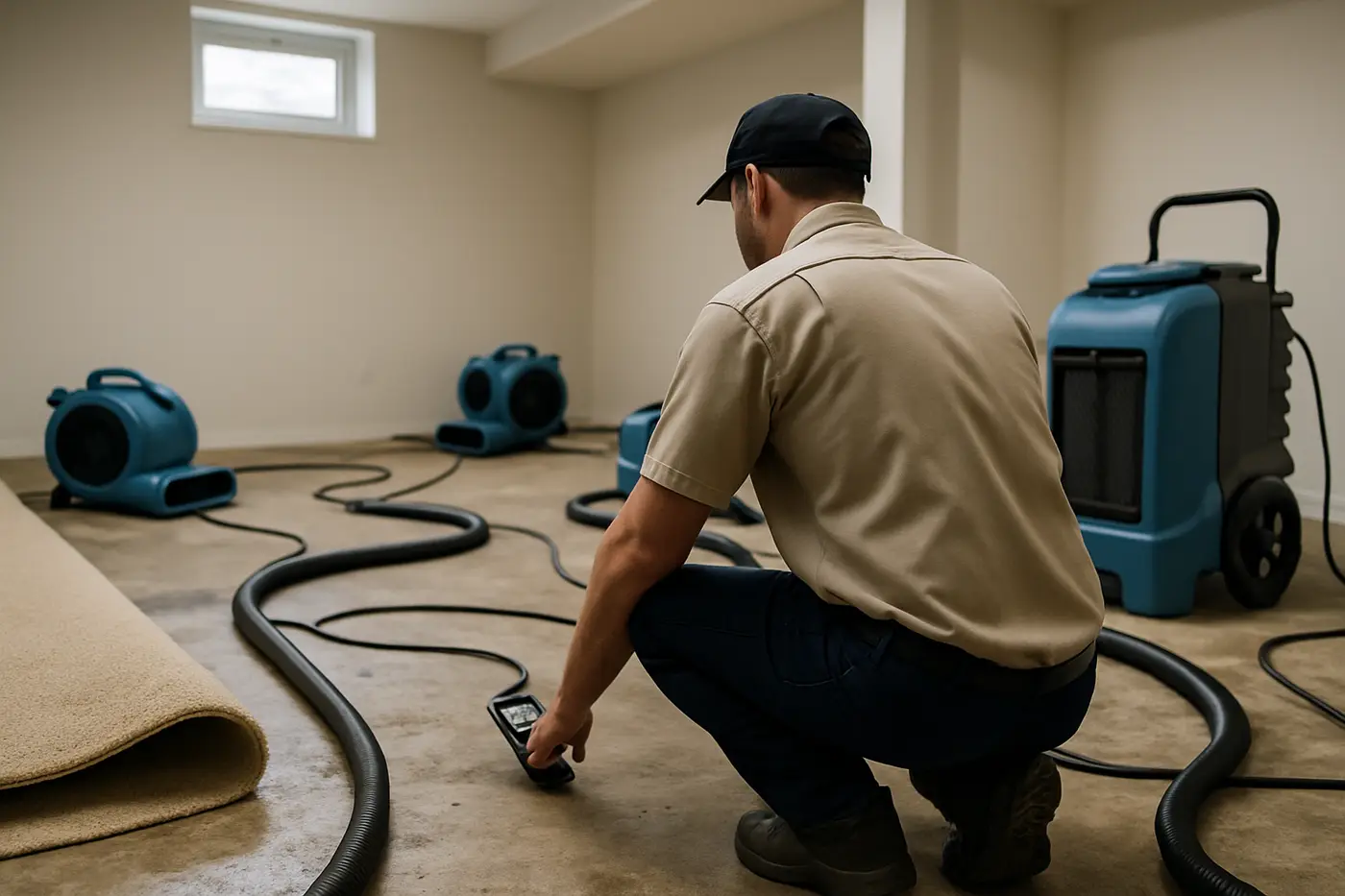
Water damage restoration · Chicago, IL
Water Damage Restoration
Chicago, IL
Emergency water extraction, basement flooding cleanup, structural drying and full restoration for homes and businesses across Chicago and the suburbs, documented for your adjuster from the first hour.
- 24/7 Emergency Response
- Local Restoration Technicians
- Free On-Site Estimate
Request Emergency Water Damage Help
24/7 response24/7
Emergency dispatch, 365 days
S500
IICRC drying standard the technicians work to
3–5 days
Typical structural drying window
City + Suburbs
Chicago and the surrounding suburbs
Welcome to Chicagoland Water Damage
Committed to drying Chicago properly, not just quickly.
- Solutions for Residential Properties
- Solutions for Commercial Properties
Residential and commercial clients across Chicago and the suburbs rely on us for fast, reliable 24-hour water damage restoration.
Burst pipes in January, sewer backups in July, sump pumps that quit in a power outage. Whatever put the water there, the sequence is the same: extract it, map the moisture, dry every affected material to a verified standard, and document each step for your adjuster.
More About UsOur services
What We Do
Ten restoration services, one process. Pick the one that matches what happened, or send the form and let a coordinator work it out with you.
Water Damage Restoration
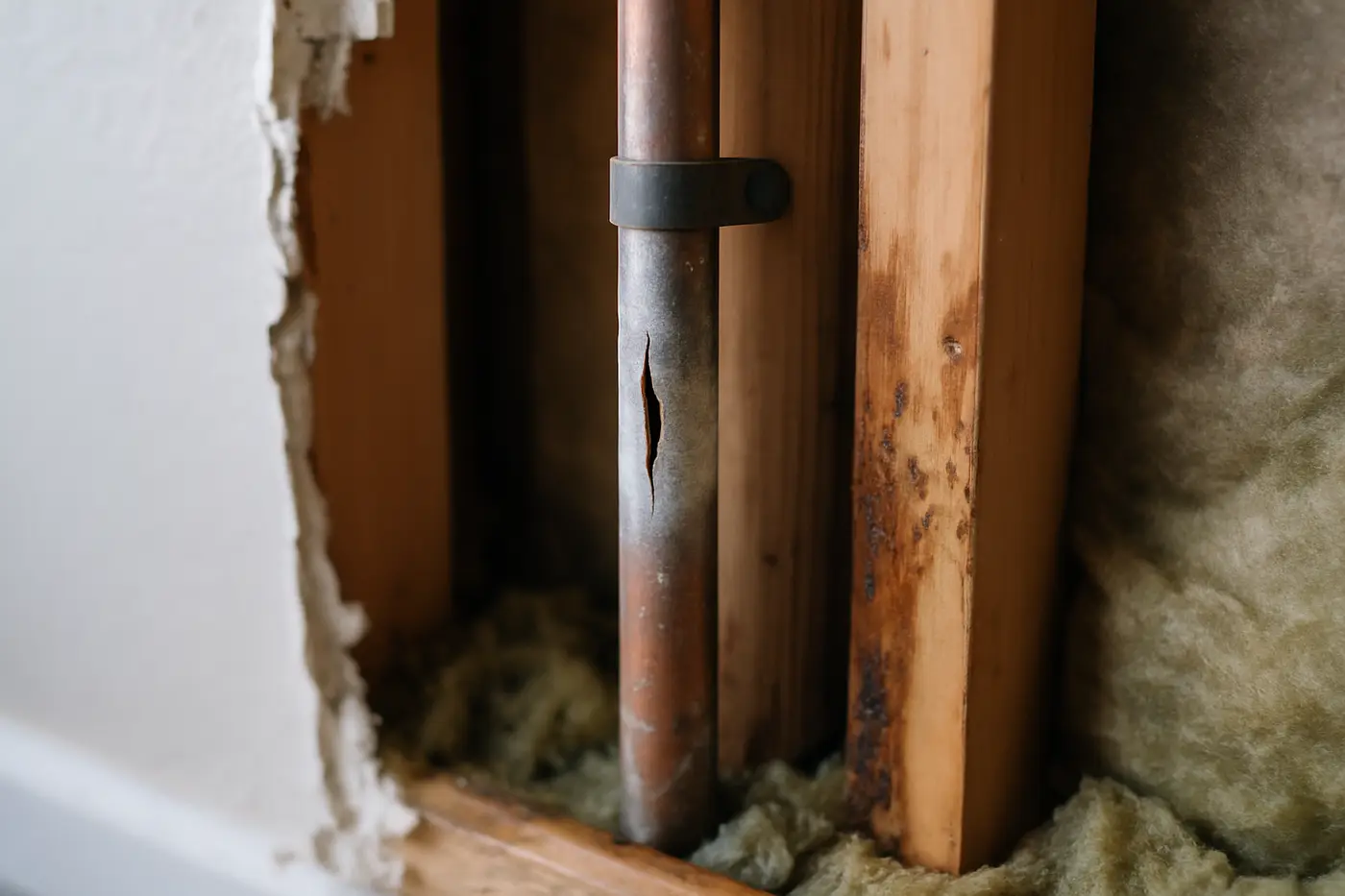
Extraction, moisture mapping, structural drying and sanitizing after burst pipes, leaks, overflows and appliance failures.
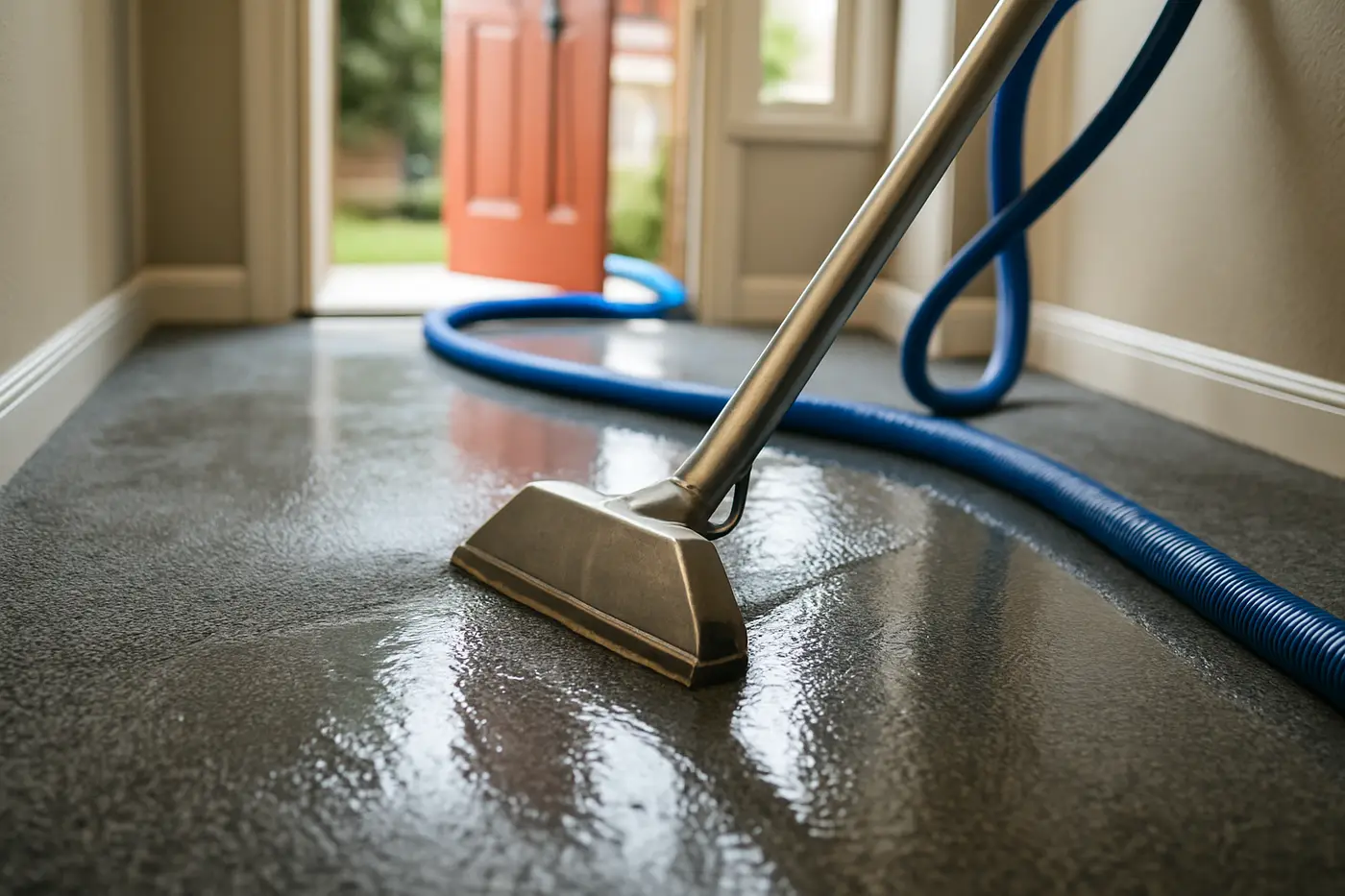
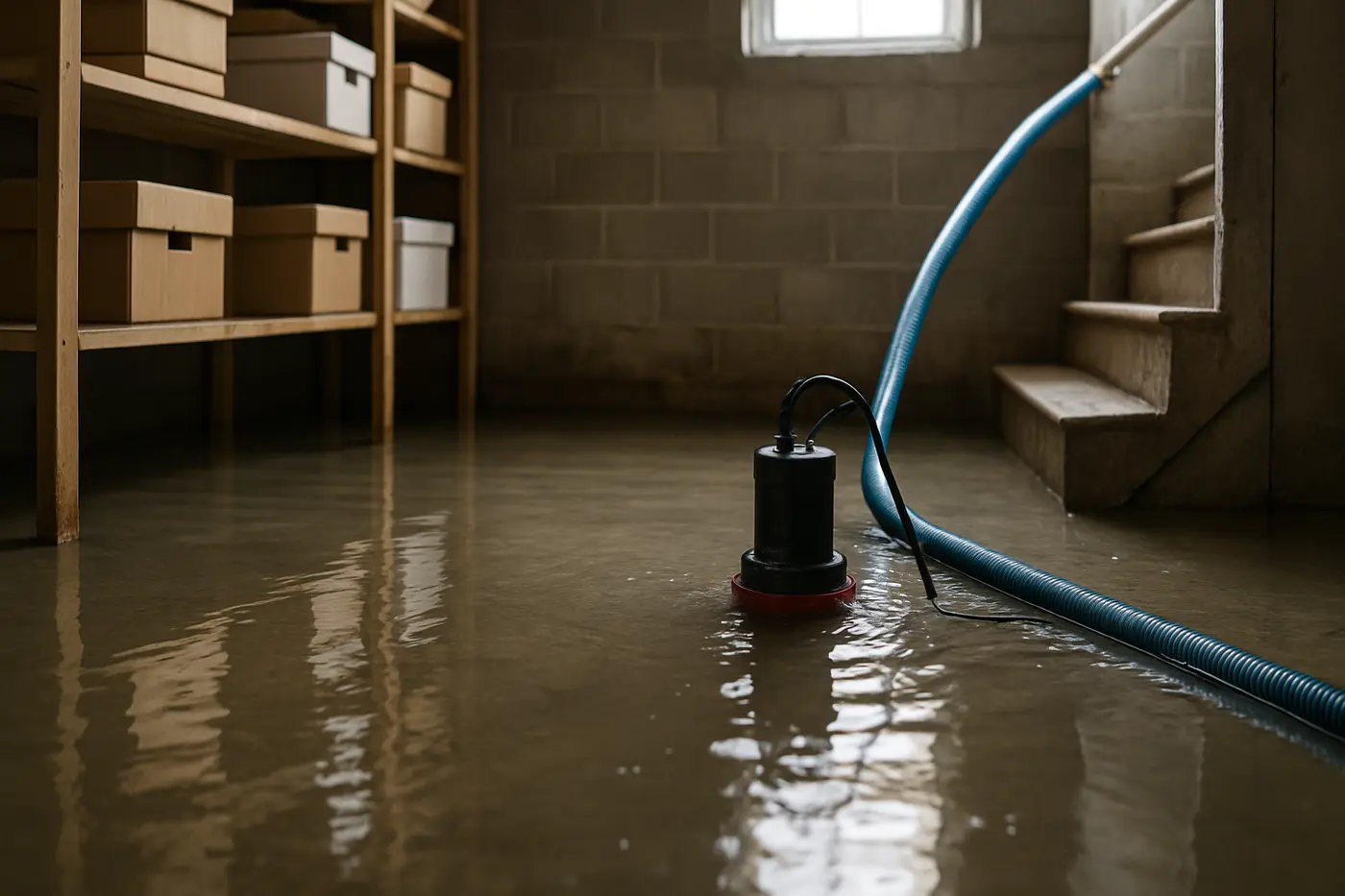
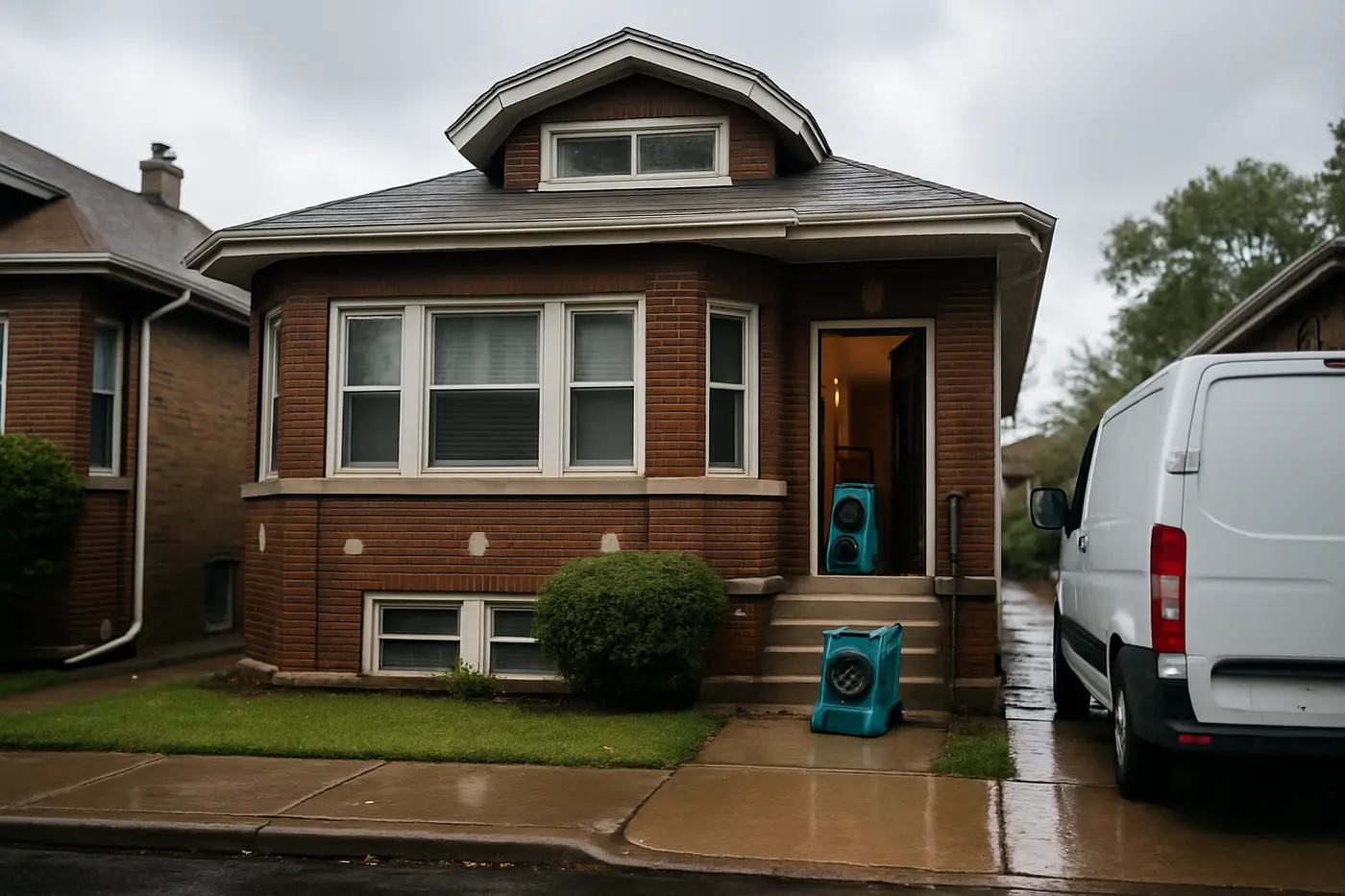
- Emergency water extraction with truck-mounted and portable units
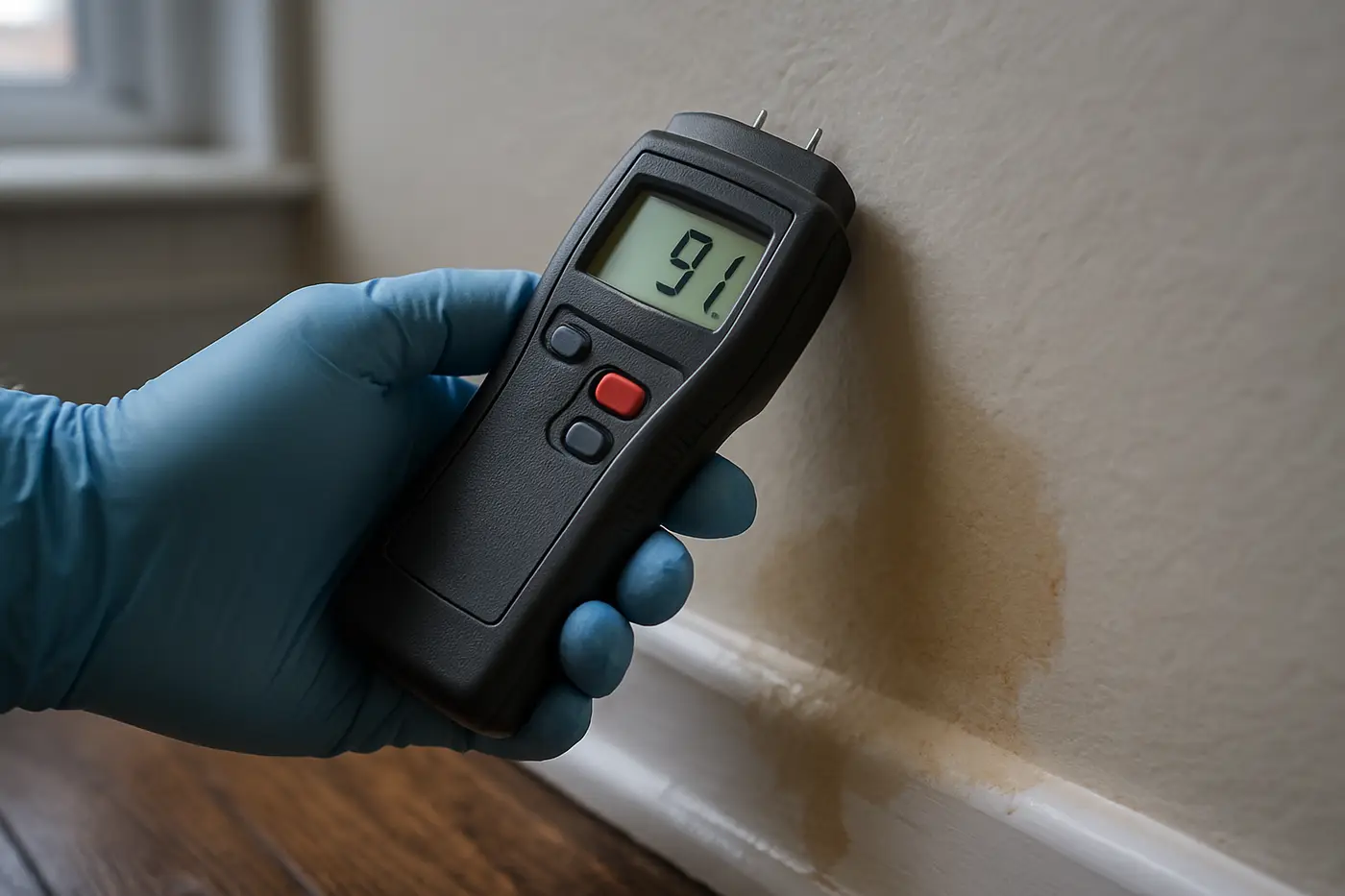
- Moisture mapping of walls, floors, subfloors and framing with pin and non-invasive meters
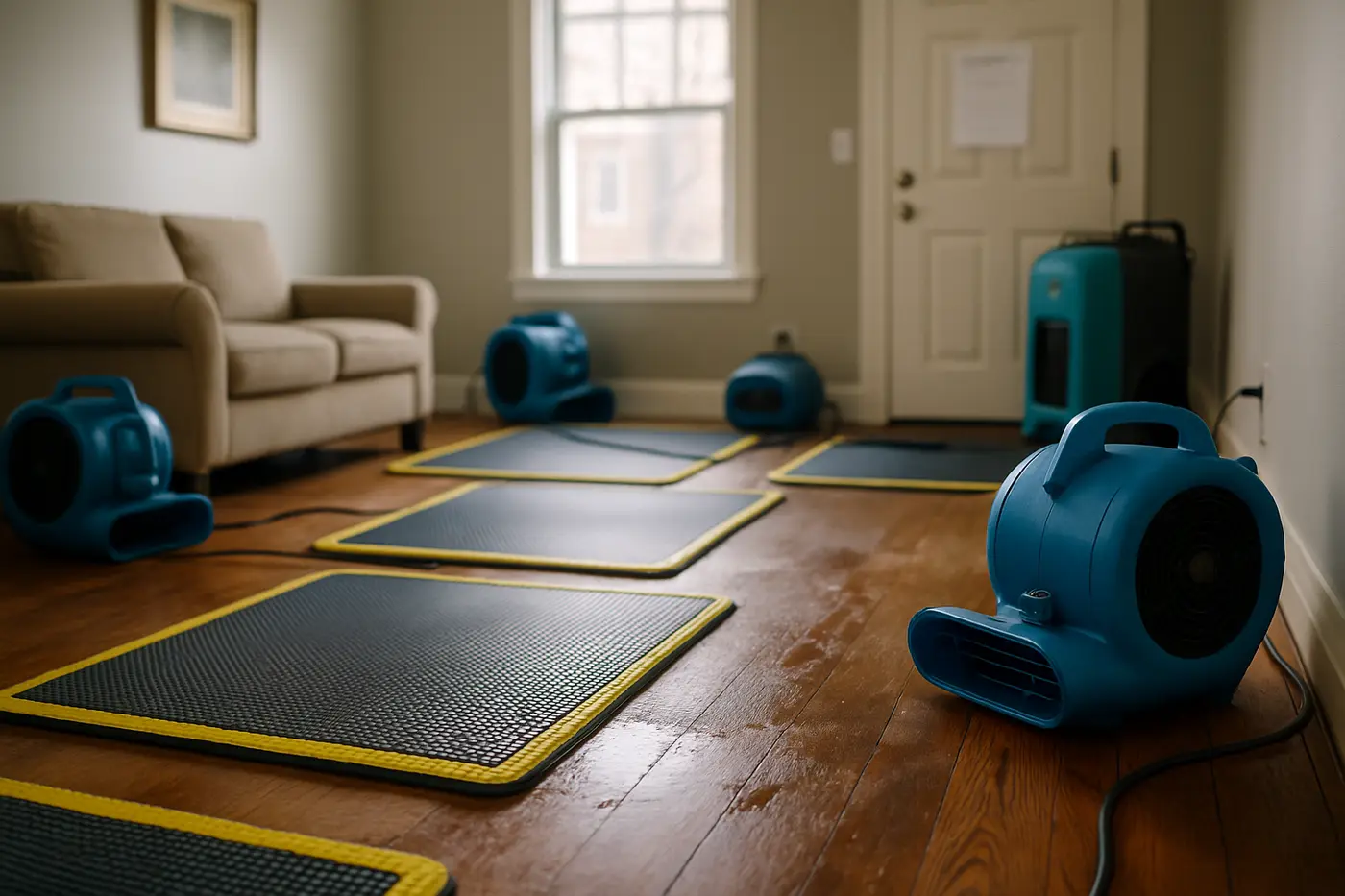
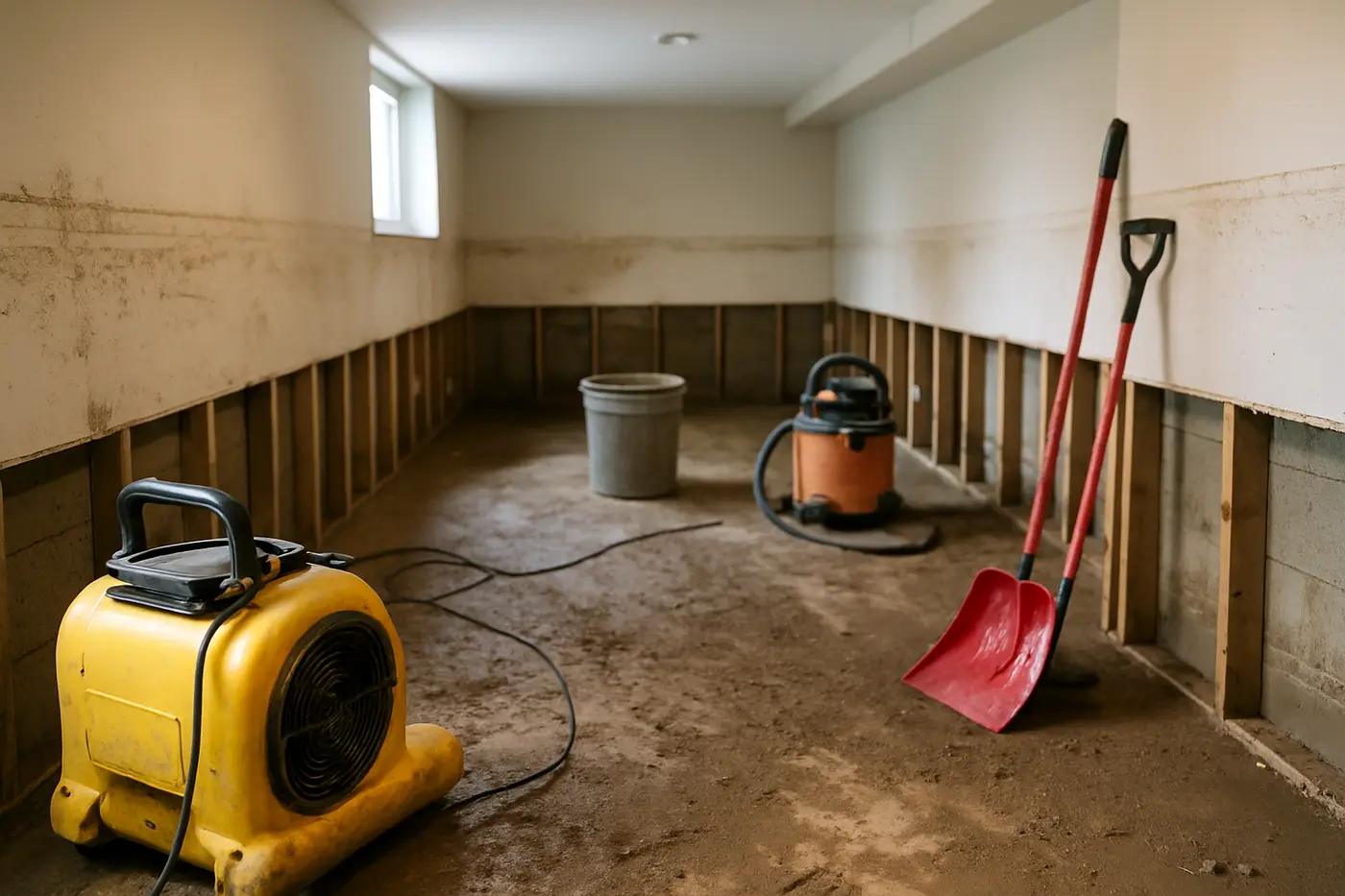
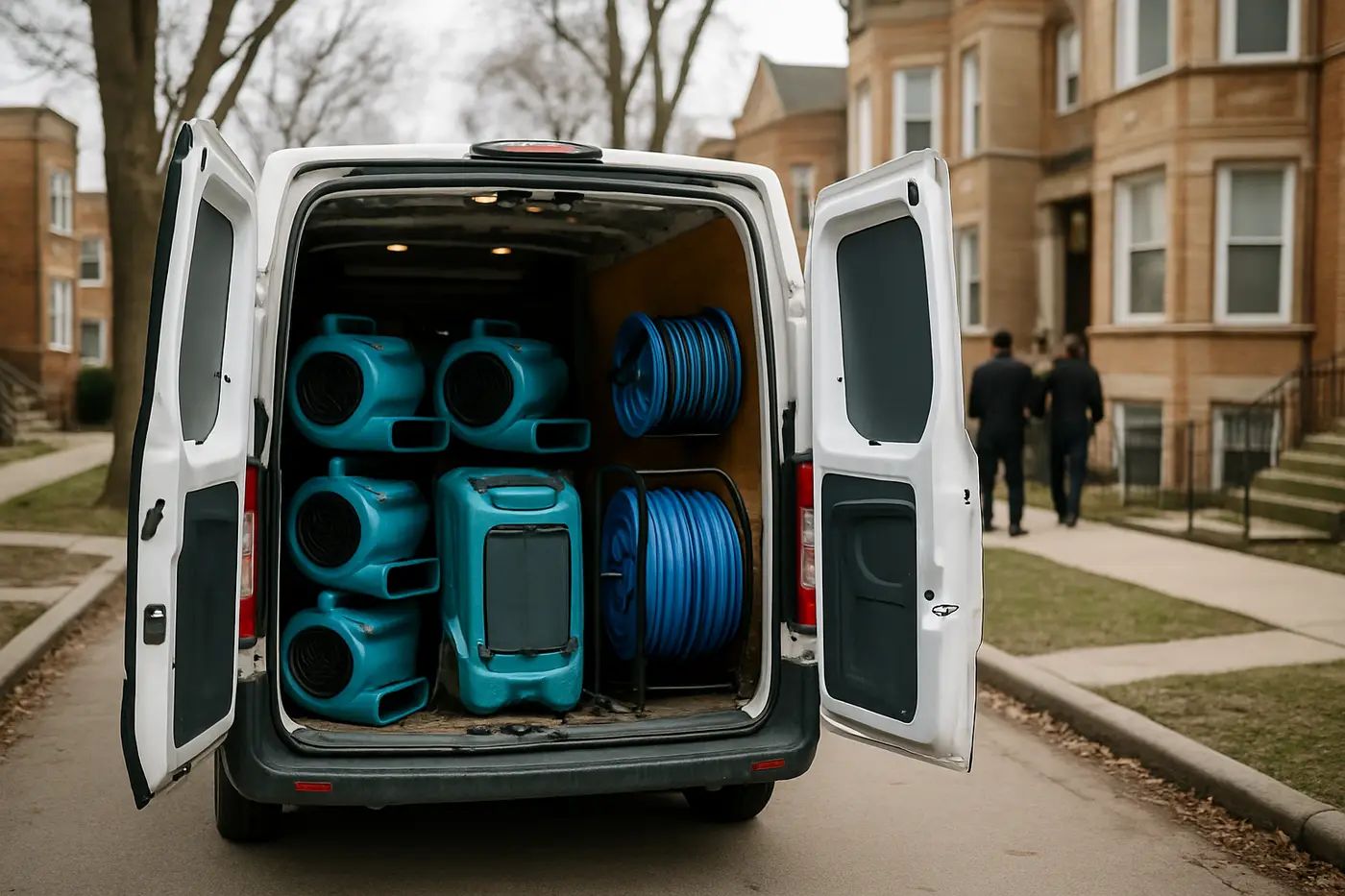
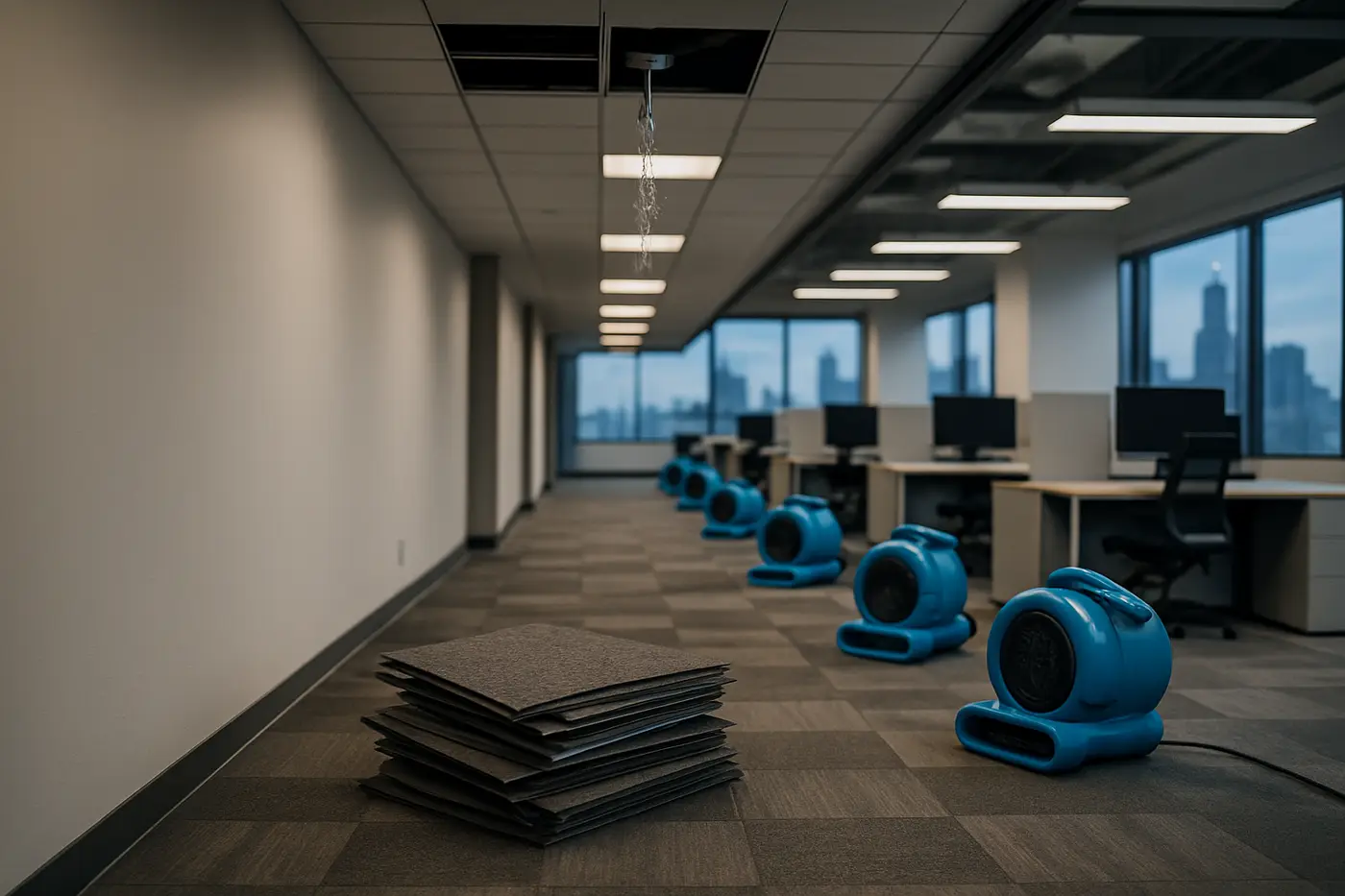
- Structural drying with air movers and LGR dehumidifiers, metered daily
- Water category assessment (clean, gray or black) and matching sanitizing
What reason to choose us
Drying is a measured process, not a guess.
Successful restoration takes more than fans. It takes moisture documentation, the right equipment for the evaporation load, trained technicians and a process that protects the property at every stage.
- Rapid Coordination Clear priorities from the first call: stop the water, protect what can be saved, get equipment on site.
- Measured Drying Moisture mapping that looks behind baseboards, under floors and inside wall cavities, not just at the wet patch.
- Insurance-Ready Reports Dated photos, daily moisture logs and an itemized scope in the format adjusters expect.
- Complete Recovery Extraction, drying, sanitizing and rebuild scoping under one plan, to the IICRC S500 standard.
How it works
Four steps, the same on every job.
Emergency contact
Tell us what happened, where the water is and whether it is still flowing. Active water, sewage and multi-unit jobs go to the front of the queue.
Inspect and stabilize
Water category identified, every affected room mapped with moisture meters, standing water pumped and extracted, contents lifted clear.
Dry and treat
Air movers and LGR dehumidifiers placed to a drying plan, antimicrobial applied where needed, readings logged daily until dry.
Document and rebuild
Final moisture verification, a photo and reading report for your adjuster, and a written scope for any rebuild work.
Water emergency right now?
Shut off the water at the main if it is safe and keep clear of standing water near outlets. Then tell us what happened. A restoration coordinator will explain the next step, any hour.
Service areas
Local crews across Chicago and the suburbs.
Chicagoland Water Damage supports homeowners, landlords, condo associations and businesses across the city, the North Shore and the western suburbs.
- Downtown Chicago The Loop · River North
- Chicago North Side Lincoln Park · Lakeview
- Chicago West Side West Loop · Wicker Park
- Chicago South Side Hyde Park · Bridgeport
- North Suburbs Evanston · Skokie
- West Suburbs Oak Park · Cicero
Need help nearby?
Confirm service availability for your property.
Give us the neighborhood and the type of water. Our coordinator will confirm coverage, estimated arrival and what to do while you wait.
Common questions
What Chicago owners ask first.
Straight answers about emergency response, drying timelines, insurance documentation and what to expect during recovery.
All questionsDo you offer 24/7 emergency water damage response in Chicago?
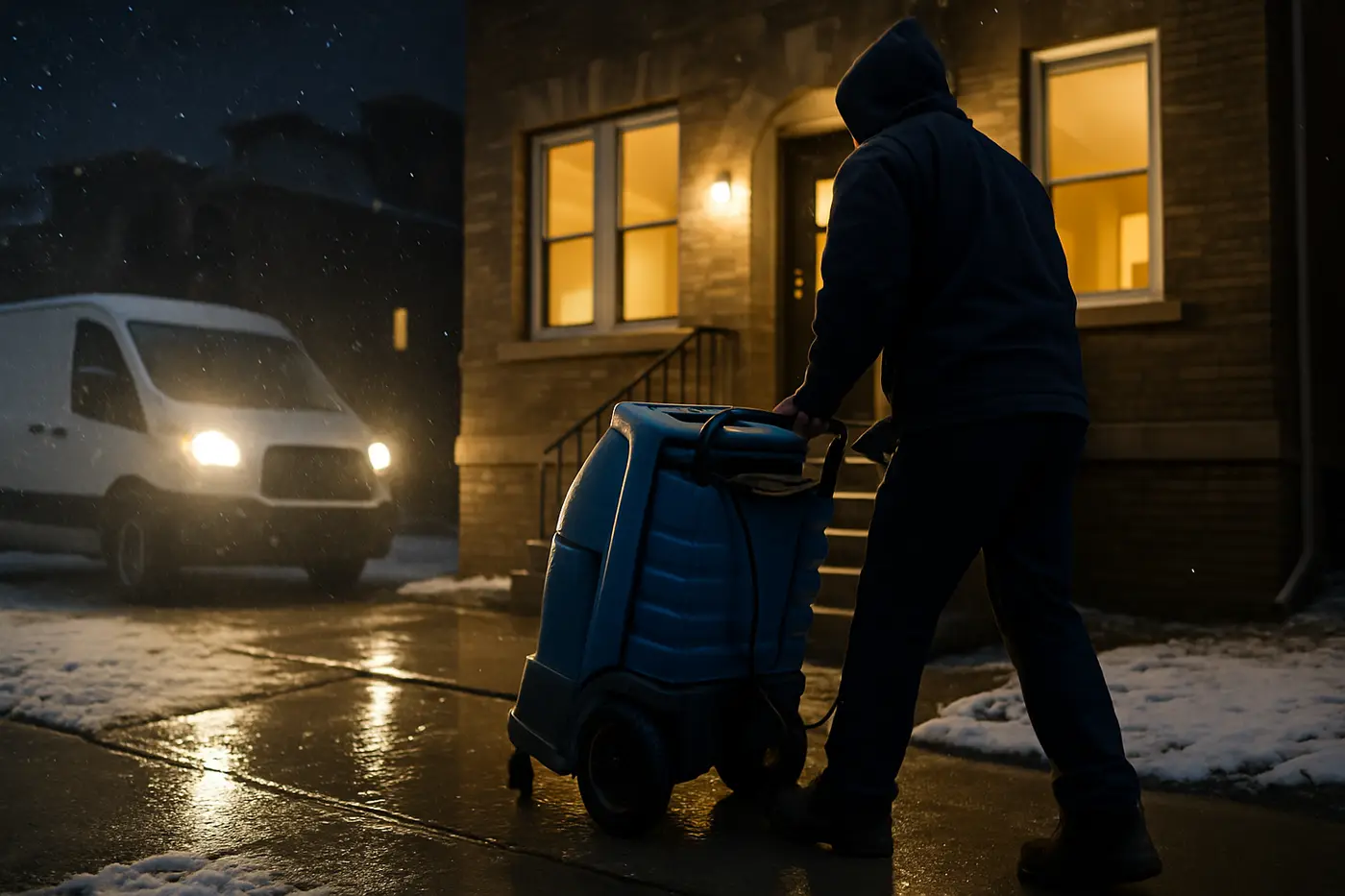
Yes. We run a 24/7 emergency response across Chicago and the surrounding suburbs, including nights, weekends and holidays, because water damage gets worse by the hour and a Chicago basement gives mold a head start within 24 to 48 hours. Typical travel time is 40 to 75 minutes depending on where you are and the time of day, and active water, sewage backups and multi-unit jobs go to the front of the queue. When you call, we ask a few questions about the source and the water category so the crew arrives with the right extraction and drying equipment on the truck. Thaw week after a deep freeze is our busiest week, so call early.
Does homeowners insurance cover water damage in Illinois?
Usually, but it depends on the cause. A standard HO-3 homeowners policy covers sudden and accidental discharge: burst pipes, a failed water heater, an appliance supply line, and frozen pipes if reasonable heat was maintained. It excludes surface flooding from rivers or overland flow unless you carry a separate flood policy through the NFIP or a private carrier, and it excludes sewer backup and sump pump overflow unless you added a water backup and sump discharge or overflow endorsement, typically with limits of $5,000 to $25,000. Gradual leaks and long-term seepage are excluded. We document the cause, the water category and the extent of damage so the claim reflects what actually happened.
How long does it take to dry a house after water damage?
Three to five days is typical for a clean-water loss across a few rooms once the standing water is extracted. Basements and slab floors take five to ten days because the concrete holds moisture and the space is cool and damp year-round. The drying is done with air movers to pull moisture off surfaces and LGR dehumidifiers to take it out of the air, and we measure progress daily with moisture meters and a hygrometer rather than judging by touch. The job is finished when the readings match a dry reference area in the same house, not when the carpet feels dry, because moisture inside bottom plates and under the slab lags well behind the surface.
How much does water damage restoration cost in Chicago?
It depends on the water category and how far it has spread. A clean-water job across two or three rooms, such as a burst supply line caught the same day, typically runs $2,000 to $6,500 including extraction, drying equipment and daily monitoring. Gray or black water across multiple rooms, where drywall, carpet and pad have to be removed and the structure sanitized before drying, runs $6,500 to $18,000 or more. The emergency call-out and inspection, including moisture mapping and a written report, is $250 to $500 and is credited against the restoration work. We quote on site after mapping the moisture, not from a description over the phone, and the estimate is free.
How quickly does mold grow after water damage in Chicago?
Faster than most people expect. Wet drywall, carpet pad and wood framing can support visible mold within 24 to 48 hours, and Chicago's humid summers, with dew points often between 65 and 75 degrees, give it everything it needs. Basements are the worst case because they stay cool and damp year-round, so the lower drywall, paneling and stored contents grow mold first. That is why we start drying immediately rather than waiting for an adjuster, and treat wet materials with antimicrobial as we go. Once growth is established it becomes a remediation job under the IICRC S520 standard rather than a straightforward dry-out, and the cost climbs accordingly.
Which Chicago neighborhoods and suburbs do you cover?
We cover the City of Chicago and the surrounding Chicagoland suburbs in Cook and DuPage counties on a 24/7 basis. In the city that includes downtown, the North Side, West Side and South Side, from the Loop, River North and Streeterville through Lincoln Park, Lakeview, Logan Square and Albany Park, the West Loop, Wicker Park, Pilsen and Austin, and Hyde Park, Bridgeport, Beverly and Chatham. In the suburbs we cover Evanston, Skokie, Park Ridge and Des Plaines to the north and Oak Park, Cicero, Naperville and West Chicago to the west, along with the communities between them. If you are on the edge of that area, call anyway and we will tell you straight away.
Latest news
News & Articles
Practical reading for the first hour after water damage, the drying process, mold risk in Chicago basements and Illinois insurance claims.
Mold & Health
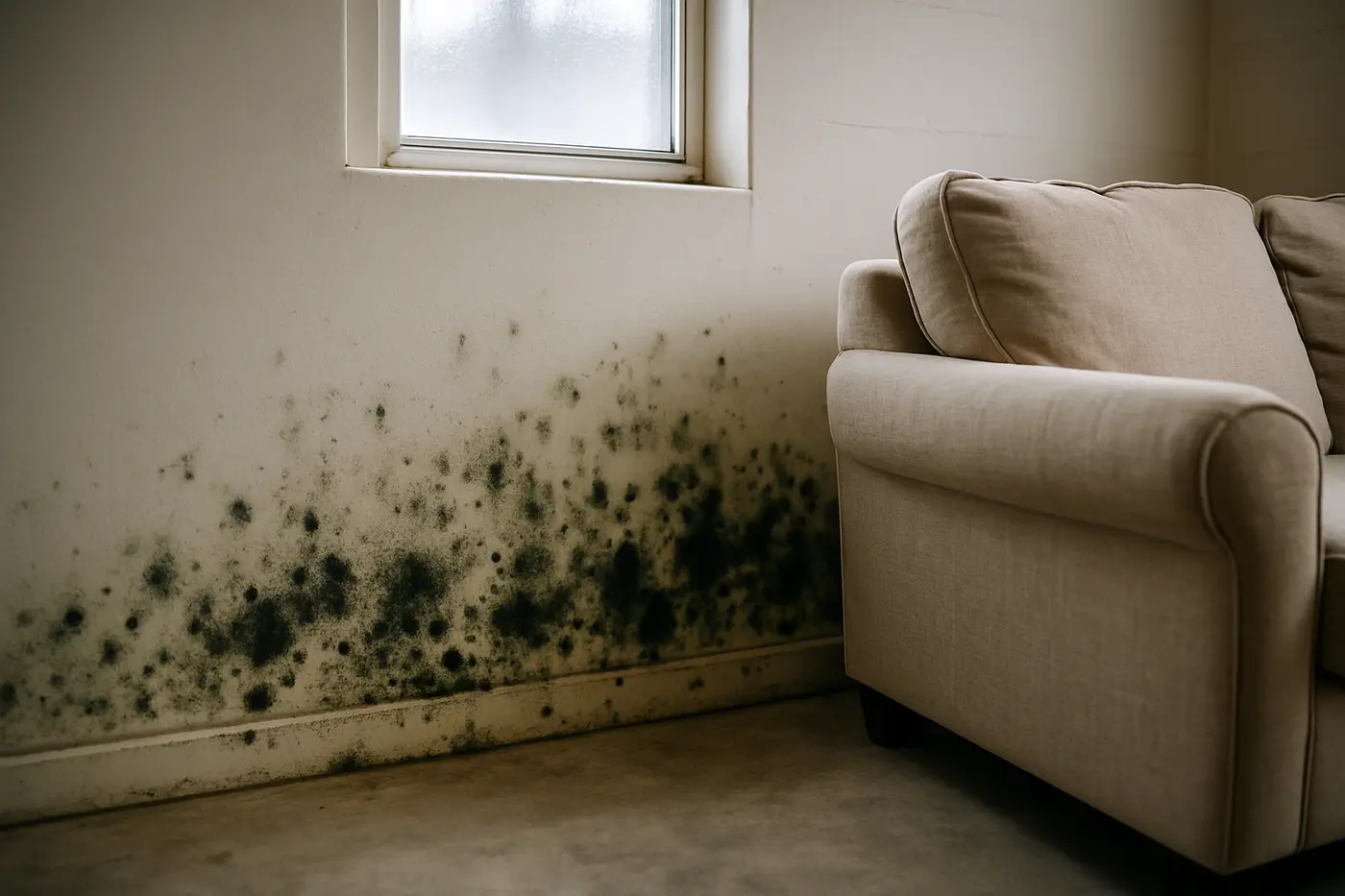
Mold After Water Damage: Why Chicago Basements Give You 48 Hours
Chicago basements are cool, damp and full of the materials mold likes best. After water damage you have roughly 48 hours before drying turns into remediation. Here is what that clock looks like and how to beat it.
Read more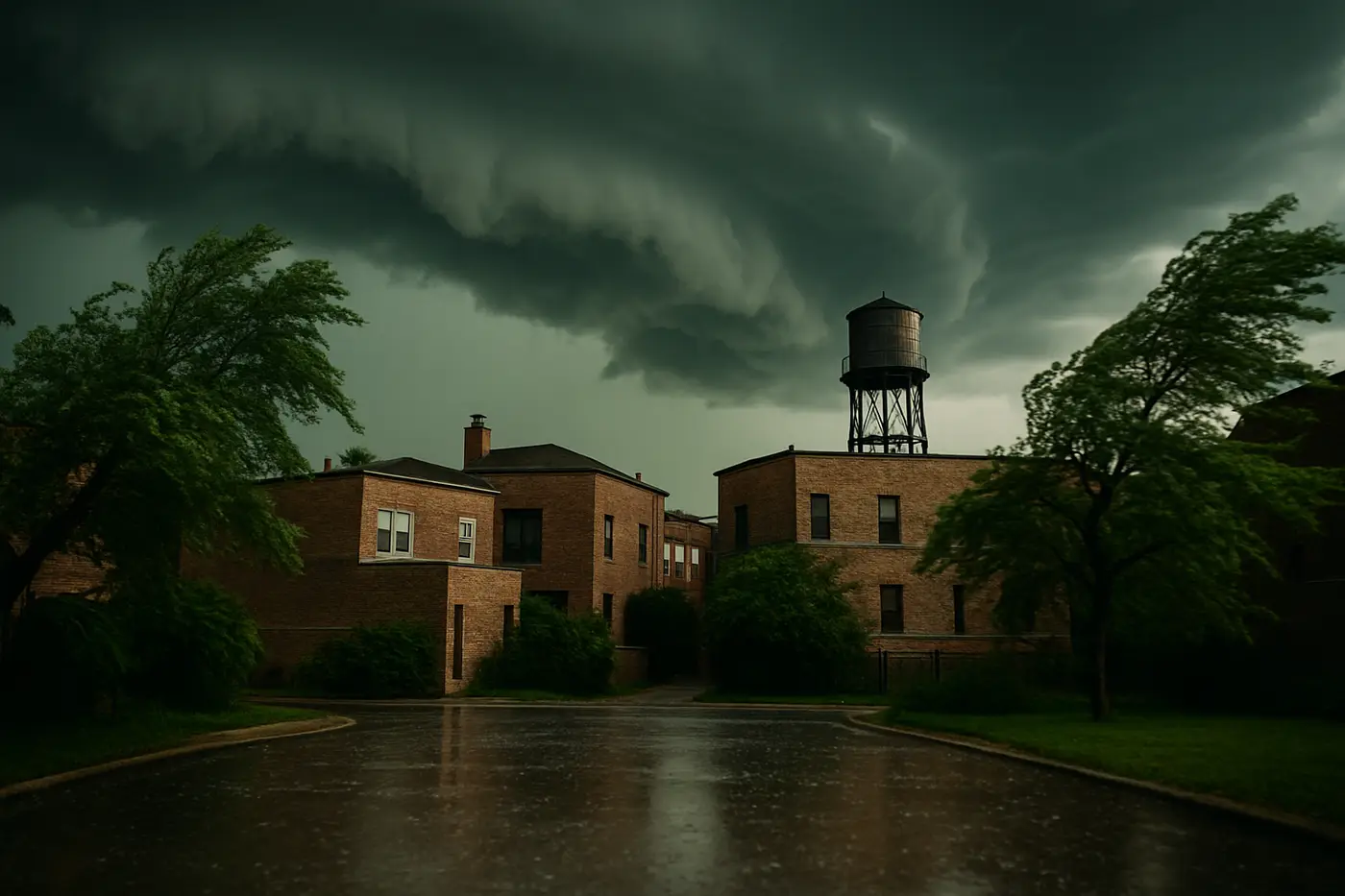
Storm & Flood
Chicago Summer Storm Checklist: Stop Your Basement Flooding Again
Most Chicago basements flood the same way twice: the combined sewer surcharges, the sump pump loses power, or the downspouts dump rain against the foundation. This checklist fixes all three before the next storm.
Read more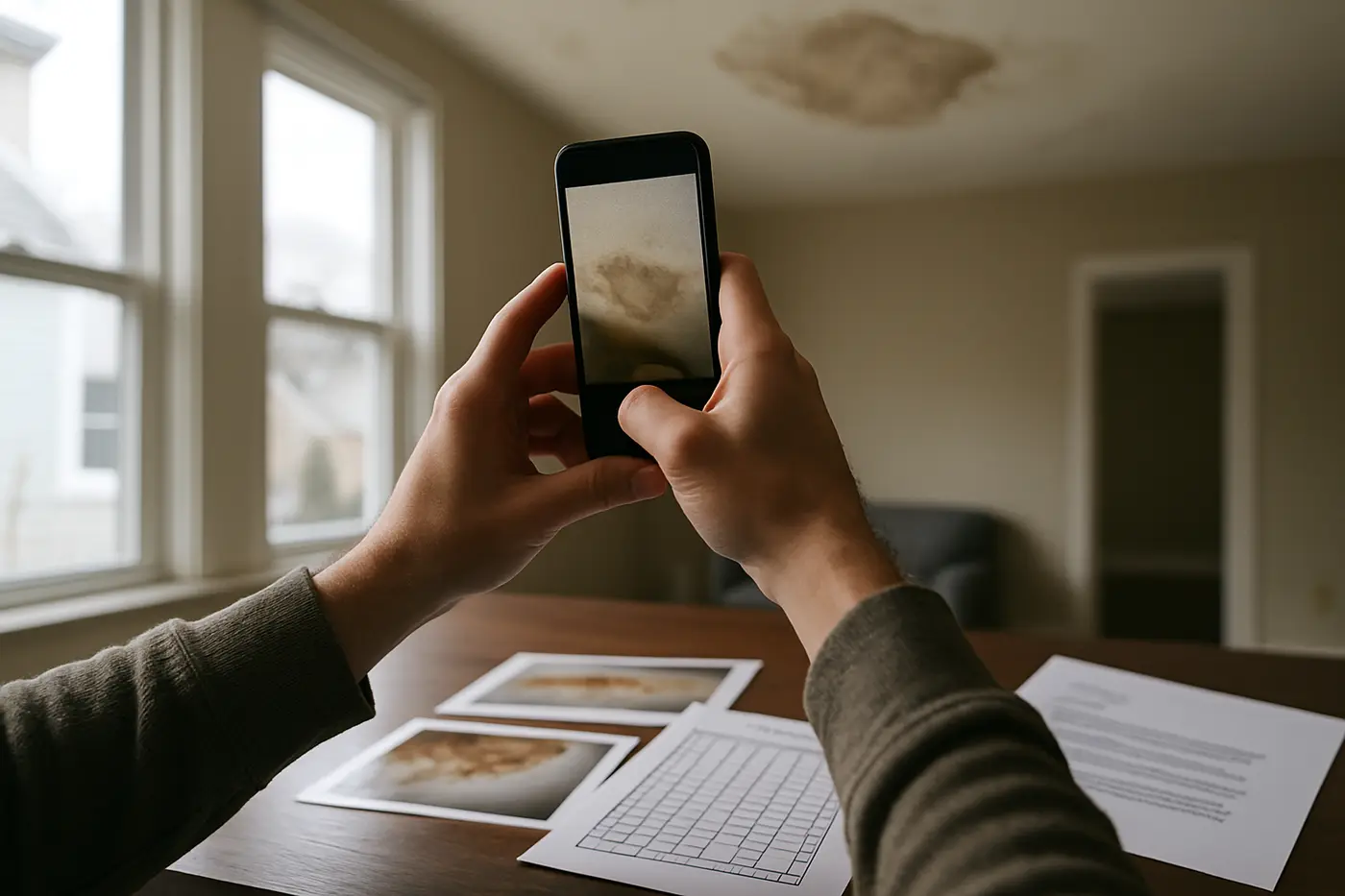
Insurance & Claims
Documenting A Water Damage Insurance Claim In Illinois (Step By Step)
Adjusters decide water damage claims on evidence, not on how bad the basement smelled. Here is the ten-step file we build on every insured job in Chicago, from the first photo to direct billing.
Read more
Let's take the next step toward drying your property.
Tell us what happened, where the water is and whether it is still active. A restoration coordinator will explain what to do next and what your adjuster will need.