About Chicagoland Water Damage
One call, and a local
technician who measures before they dry.
Chicagoland Water Damage takes water damage requests 24 hours a day across Chicago and the surrounding suburbs and puts you in touch with an independent local restoration technician. Burst pipes, flooded basements, sewer backups, storm ingress and the mold that follows.
What this service does
Chicagoland Water Damage connects Chicago homeowners and businesses with local restoration technicians. We answer the request any hour; the independent technician we put you in touch with inspects, quotes and does the work, to the IICRC S500 and S520 standards.
One technician, one story
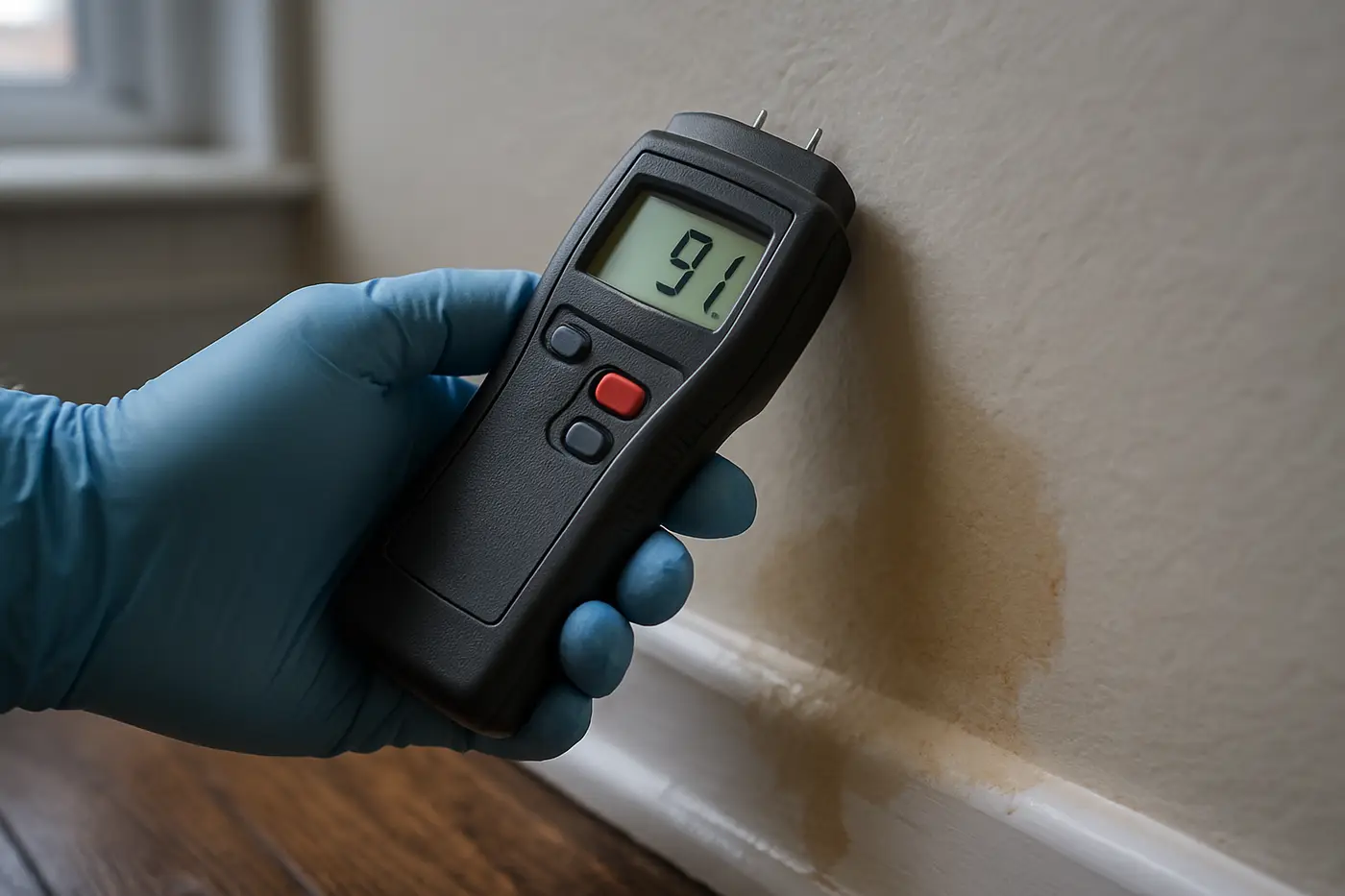
You deal directly with the technician who does the work, from the first visit to the final reading, so you and your insurer get one report from one accountable person.
Why the service exists
Water damage does not wait for business hours, and finding a restoration technician at 2 a.m. with a flooded basement is the wrong time to start searching. One number and one form, answered any hour, that reach a local technician who can actually come out.
What we ask of the technicians
Measure first. Every drying plan starts with the water category and moisture readings, because a wall cavity that looks fine today is the mold claim in three weeks. A cool, damp Chicago basement does not give you long.
- Requests answered 24 hours a day, 365 days a year
- One local restoration technician contacts you, not a call center
- The technician inspects, quotes and does the work
- Prices from a published Chicago guide, quoted on site
- You deal directly with the person who dries your property
Standards the technicians work to
The same rules the
insurers expect.
Restoration is not regulated the way plumbing or electrical work is, so the standard a technician follows is the difference between a dry-out and a strip-out six months later.
IICRC S500
The industry standard for water damage restoration. The technicians we work with use it to categorize the water, build the drying plan and decide when a structure is dry.
IICRC S520
The mold remediation standard: fix the moisture first, contain the area, remove what cannot be cleaned, HEPA filter, then verify.
Water categories 1, 2 and 3
Clean, gray or black water decides what can be dried in place and what has to come out. A combined-sewer backup is always black water. The technician tells you which one you have before work starts.
Measured, not guessed
Moisture meters, hygrometers and a daily drying log. A job is finished when readings match a dry reference area, not when the carpet feels dry.
How it works
Three steps, the same
on every request.
A burst pipe in a Lakeview three-flat and a sewer backup in a Cicero basement are very different jobs, but the way you reach a technician does not change.
You call or send the request
Tell us what happened, where the water is and whether it is still flowing. Calls and the form are answered any hour, including nights, weekends and holidays.
A local technician contacts you
An independent restoration technician who covers your part of Chicagoland gets in touch, usually within minutes, to confirm the details and the visit time.
The technician quotes and does the work
Inspection, moisture mapping and a written estimate on site before work starts. Extraction, drying, treatment and the report for your adjuster are all done by that technician.
What to expect
Clear information at
every stage.
Most people only deal with water damage once or twice in their life. You should not need to understand psychrometrics to know what is happening in your own house.
Straight answers on site
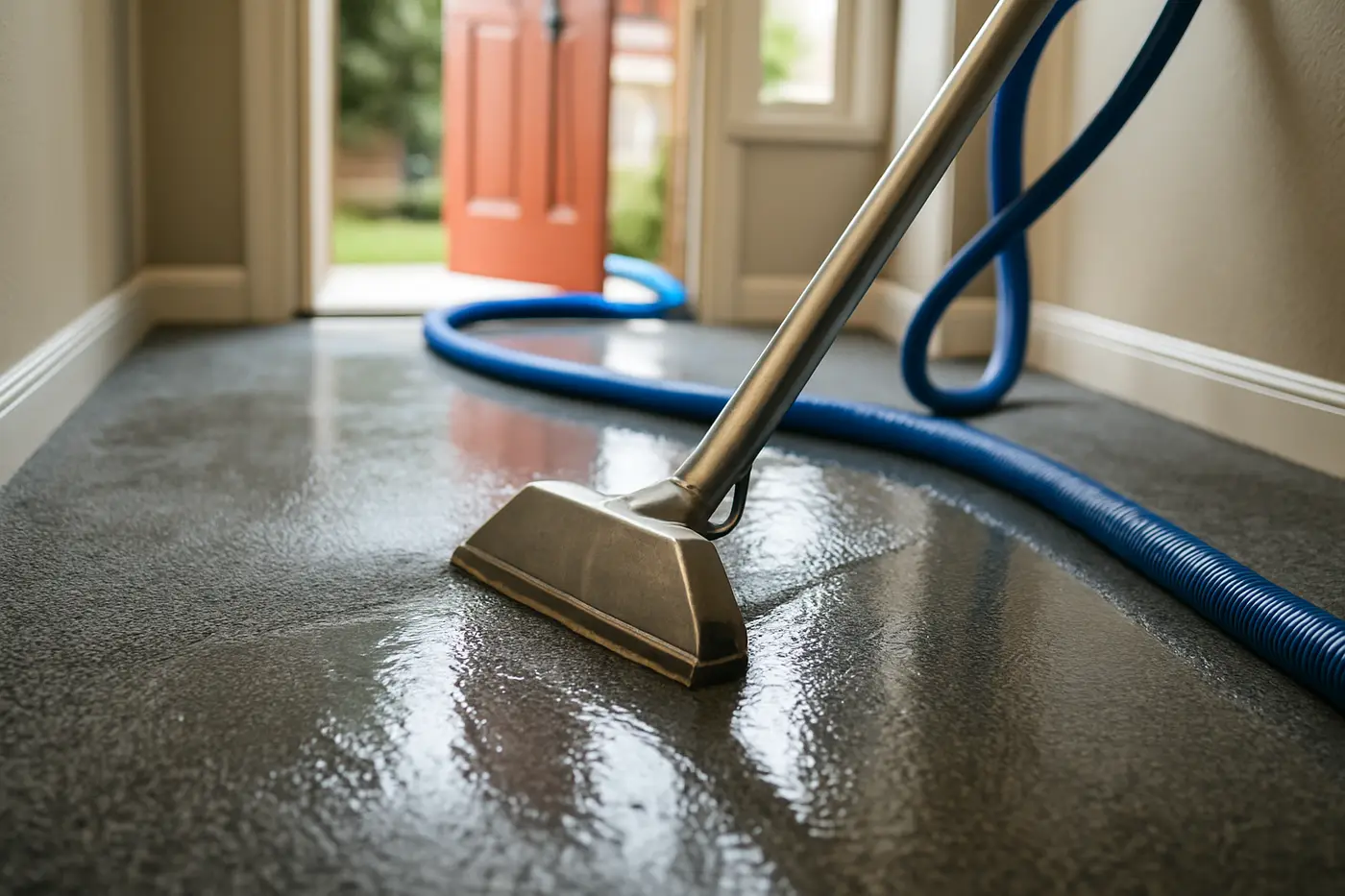
Whether carpet, wood or drywall is worth saving is decided after moisture mapping, and the technician tells you which way it went and why.
Prices from a published guide
The ranges on our pricing page apply across Chicago and the surrounding suburbs. Every job is quoted on site before work starts.
Insurer-ready documentation
Before and after photos, a moisture map of each room, a daily drying log and a scope of works, in the format adjusters expect.
Respect for the property
Contents protected, containment where it is needed, equipment placed to dry the structure rather than to look busy, and removed when the readings say so.
Who we work with
Local technicians, and you talk to them directly.
This site does not do the restoration work itself. It puts you in touch with an independent local technician, and everything about the job, from the estimate to the guarantee, is between you and them. Putting that in writing keeps things clear.
See the price guideLocal, independent restoration technicians
The people who attend are independent restoration technicians based in Chicago and the surrounding suburbs, not a national call center or a franchise.
Their own insurance and their own paperwork
The technician who attends carries their own insurance and issues their own estimate, invoice and drying report. Ask for the certificate if you need it for a claim or a condo association.
Licensed trades when the law requires it
Where rebuild, plumbing or electrical work needs a license or permit under Illinois law or a municipal code, it is carried out by an appropriately licensed contractor.
Guarantees come from the technician
Any guarantee on the work is offered by the technician who does the job. Ask what is covered and for how long before work starts, and get it in writing.
No invented credentials
No made-up star ratings, company history, job counts or awards on this site. What you see is how the service works; the rest you can judge on the job.
Key facts
- 24/7 Emergency Response
- Local Restoration Technicians
- Insurance-Ready Moisture Reports
- You Deal Directly With the Technician
- Residential & Commercial
Ready when you are
Let's take the next step toward drying your property.
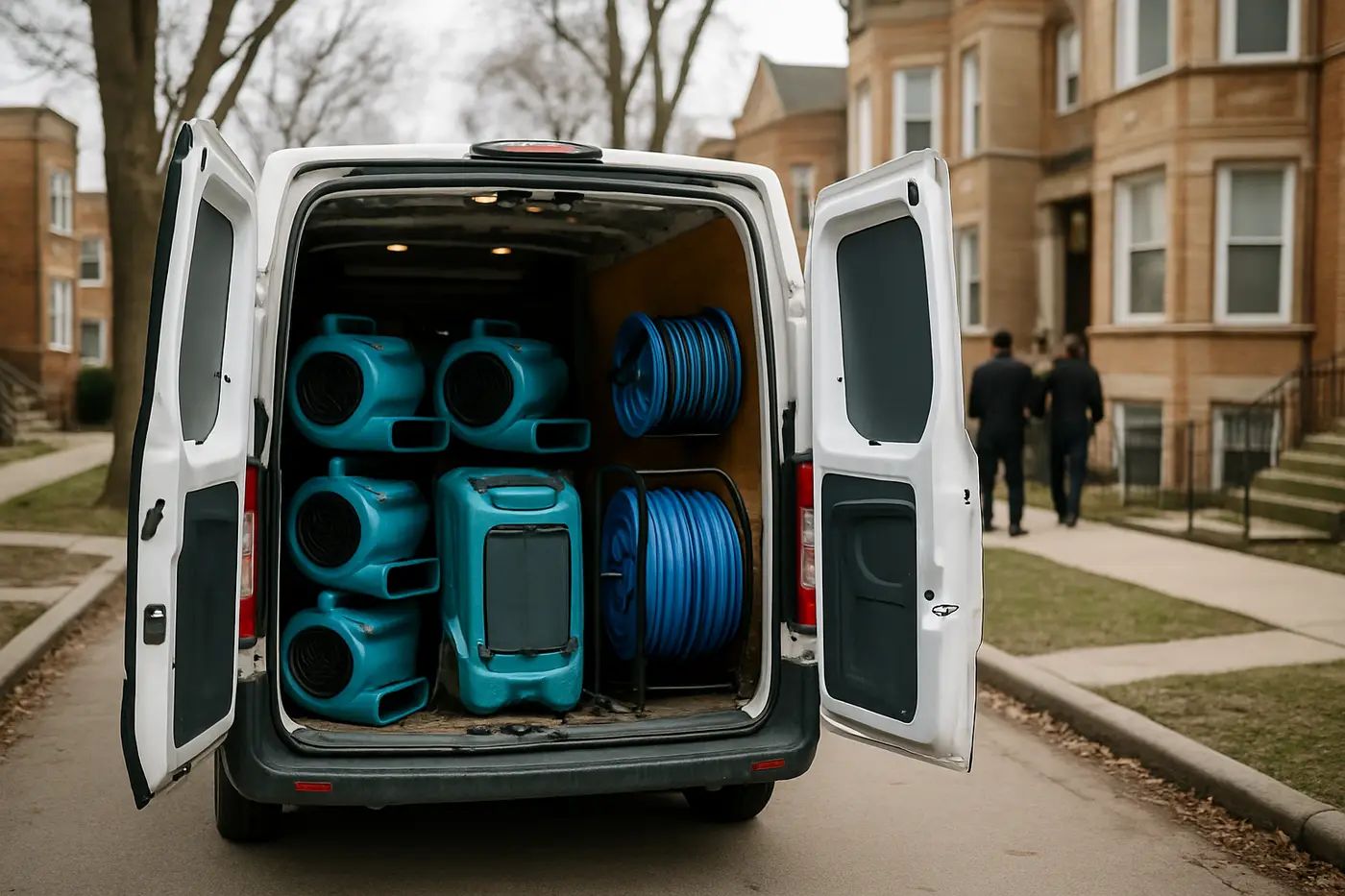
Tell us what happened, where the water is and whether it is still active. A local restoration technician will get in touch, explain what to do next and what your adjuster will need.