Chicago North Side · 60614
Water Damage Restoration
Lincoln Park
24/7 emergency water extraction, structural drying and mold prevention for Lincoln Park homes and businesses, documented for your adjuster from the first hour.
- Typically within 50 minutes
- Local restoration technicians
- Insurance-ready reports
Get help in Lincoln Park
24/7 response~50 min
Typical response to Lincoln Park
24/7
Emergency dispatch, 365 days
Cat 1–3
Clean, gray and black water handled
S500
IICRC drying standard the technicians work to
Water damage in Lincoln Park
Where the water comes from
in Lincoln Park.
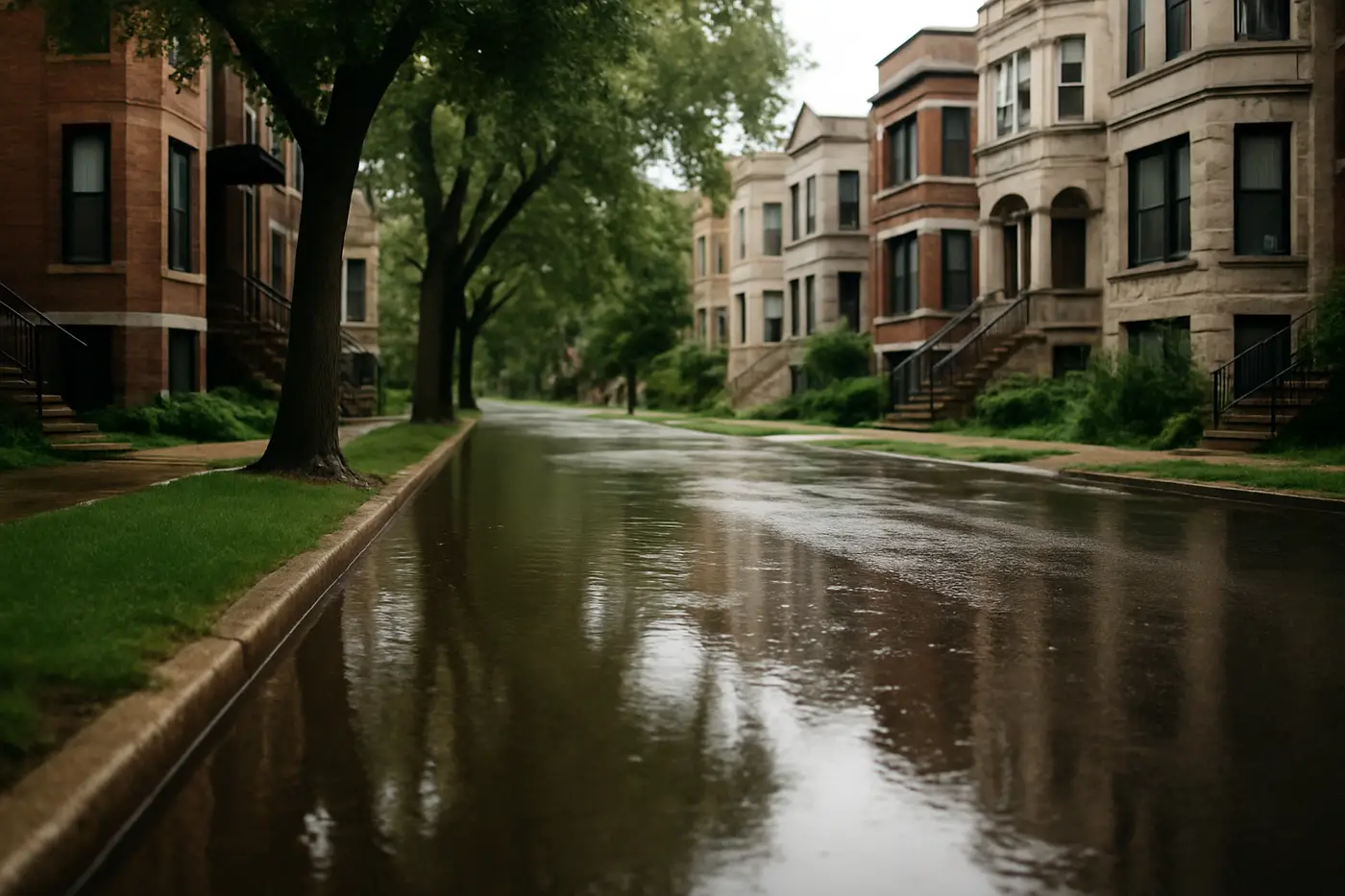
Lincoln Park is greystones, brick three-flats and heavily renovated single-family homes on the combined sewer, with high-rises along the lakefront. Finished lower levels are the norm, so a sewer backup or a failed sump pump lands on drywall, hardwood and a basement bathroom rather than a bare concrete floor.
Crews on the ground locally
Regular work around Lincoln Park Zoo, DePaul University, North Avenue Beach and Oz Park, and the blocks between.
- Median home age
- ~95 yrs
- Residents
- ~70,500
Notes from our Lincoln Park crew
Lincoln Park's housing is a hundred years old and most of it has been renovated to a high standard, which raises the stakes on every basement. The greystones and brick three-flats along the side streets were built as one apartment per floor with a shared basement, and many have been converted to single-family homes with a finished lower level: family room, guest bedroom, full bathroom, hardwood or carpet over the slab. When the combined sewer surcharges in a July downpour, Category 3 water comes up through the floor drain and the lower-level shower, and that finished space is the loss. Drywall gets cut to above the water line, carpet and pad come out, and the framing is treated with antimicrobial before drying begins. Backwater valves and overhead sewer conversions are the fix, and the City of Chicago has rebate programs for them.
In the buildings that are still three-flats, a burst washing machine hose or a failed water heater on the third floor travels through the second-floor ceiling into the first-floor unit and the basement, and every tenant and the owner need the same photo log. Winter is exterior-wall plumbing. Kitchens and bathrooms on the north wall of these brick buildings freeze when the polar vortex arrives, as it did in January 2019 and December 2022, and enclosed back porches with a laundry hookup are the first to go. Along the lakefront the high-rises follow the stacked-unit pattern with condo associations and master policies.
What we see most
Common water damage
issues in Lincoln Park.
Not generic pain points. These are the patterns that make up most Lincoln Park call-outs, ranked roughly by how often they land on the schedule.
Combined sewer backup through basement floor drains and garden-unit fixtures in summer storms
Upper-floor supply-line and appliance leaks traveling through greystone three-flats to the basement
Frozen pipes in exterior brick walls and enclosed back porches during polar vortex cold
Finished lower levels in renovated single-family homes flooding when the sump or ejector pump fails
Lakefront high-rise riser failures cascading through stacked units
Something else in Lincoln Park?
Burst pipes, appliance leaks, sump pump failures, sewer backups: if it is wet, we can assess it. Tell us what happened and whether it is still active.
Request an assessment
Services in Lincoln Park
Choose the help your
Lincoln Park property needs.
Every service below is available across Lincoln Park and the rest of Chicago North Side on the same 24/7 basis, with the response matched to the water category and the building.
Water Damage Restoration in Lincoln Park
Extraction, moisture mapping, structural drying and sanitizing after burst pipes, leaks and overflows.
Learn moreFlood Damage Restoration in Lincoln Park
River, overland and storm flood cleanup: contaminated water removed, materials stripped, structure dried and treated.
Learn moreBasement Flooding Cleanup in Lincoln Park
Pump-out, extraction, disposal of soaked finishes and monitored drying for flooded basements.
Learn moreEmergency Water Damage in Lincoln Park
24/7 dispatch for active water. Stop the spread, extract, stabilize and document for the adjuster.
Learn moreFire and Smoke Damage Restoration in Lincoln Park
Soot and odor removal, contents cleaning and water damage from firefighting.
Learn moreFrozen and Burst Pipe Water Damage in Lincoln Park
Locate, extract and dry after a Chicago freeze splits a supply line, riser or water heater.
Learn moreWater Extraction and Removal in Lincoln Park
Truck-mounted and portable extraction plus submersible pumps for standing water, before drying equipment goes in.
Learn moreSewage Backup Cleanup in Lincoln Park
Category 3 combined-sewer backup cleanup: removal, disinfection and clearance before anything goes back.
Learn moreStorm Damage Restoration in Lincoln Park
Make-safe, tarping, water ingress drying and contents protection after summer storms and ice dams.
Learn moreMold Remediation in Lincoln Park
Containment, removal and moisture correction to IICRC S520 so it does not return.
Learn more
Before we arrive
The first hour in Lincoln Park
decides what can be saved.
A damp Chicago basement gives wet drywall and wood around 24 to 48 hours before mold colonizes. Four steps, in this order, while the crew is on the way.
Full first-hour checklistStop the water
Close the main shut-off valve, usually in the basement where the water service enters, if it is safe to reach. If the water is coming up through a floor drain, from the street or from a river, stay out of it: that is Category 3 and it is not worth wading through.
Power and safety
Switch off breakers feeding wet rooms if the panel is dry and you can reach it without standing in water. Do not touch outlets, appliances or light fixtures that have water in or near them.
Lift what you can
Furniture onto blocks, rugs off carpet, boxes off the basement floor. Do not carry sewage-soaked items through dry rooms; it spreads contamination.
Photograph everything
Timestamped photos of the source, the water line and every affected room before anything is moved. Keep damaged materials until your adjuster has seen them.
Nearby neighborhoods
Also covering the rest of Chicago North Side.
Greystones, courtyard buildings and the North Branch. Same crews, same 24/7 response and the same drying standard across every Chicago North Side postcode.
Explore all service areasInsurance documentation
What your adjuster will ask for after a Lincoln Park claim.
Illinois adjusters decide water claims on cause, timing and evidence. We build the file from the first visit so nothing has to be reconstructed later.
- Sewer backup, flood or burst pipe? The source decides your claim. Sudden discharge is standard cover; sewer backup needs an endorsement; river and overland flooding needs a flood policy. The FEMA Flood Map Service Center and Chicago 311 basement flooding records show which Lincoln Park blocks sit in a mapped flood zone.
- Moisture logs and photos Adjusters expect daily readings, a photo record and a drying log. We produce all three on every job.
- Make-safe and mitigation Emergency extraction and drying are usually covered when documented. Waiting for approval before extracting only adds to the loss.
Lincoln Park questions
What Lincoln Park owners ask first.
Straight answers on response times, local flood risk, insurance and how long the drying takes.
All questionsHow quickly can you get to Lincoln Park?
Active water is prioritized over everything else. Typical travel time to Lincoln Park addresses is around 50 minutes from the nearest crew, any hour of the day, and we confirm a real arrival window when you get in touch rather than a marketing guess. While you wait, shut the water off if it is safe and start lifting contents clear of the floor.
Is Lincoln Park at risk of flooding?
The most common water damage pattern we see in Lincoln Park is Combined sewer backup through basement floor drains and garden-unit fixtures in summer storms, followed by upper-floor supply-line and appliance leaks traveling through greystone three-flats to the basement. The FEMA Flood Map Service Center and Chicago 311 basement flooding records show whether a specific block sits inside a mapped flood zone. Sewer backup and river water are Category 3, so porous materials that touched them are removed rather than dried in place.
Will insurance cover water damage in Lincoln Park?
Most Illinois homeowners policies cover sudden and accidental discharge such as burst pipes, supply lines and water heaters, and frozen pipes if reasonable heat was maintained. Sewer backup and sump pump overflow are excluded unless you carry a water backup endorsement, and river or overland flooding needs a separate flood policy. Mitigation costs are usually covered when documented, so we log moisture readings and photograph every stage from the first visit.
How long does drying take in Lincoln Park?
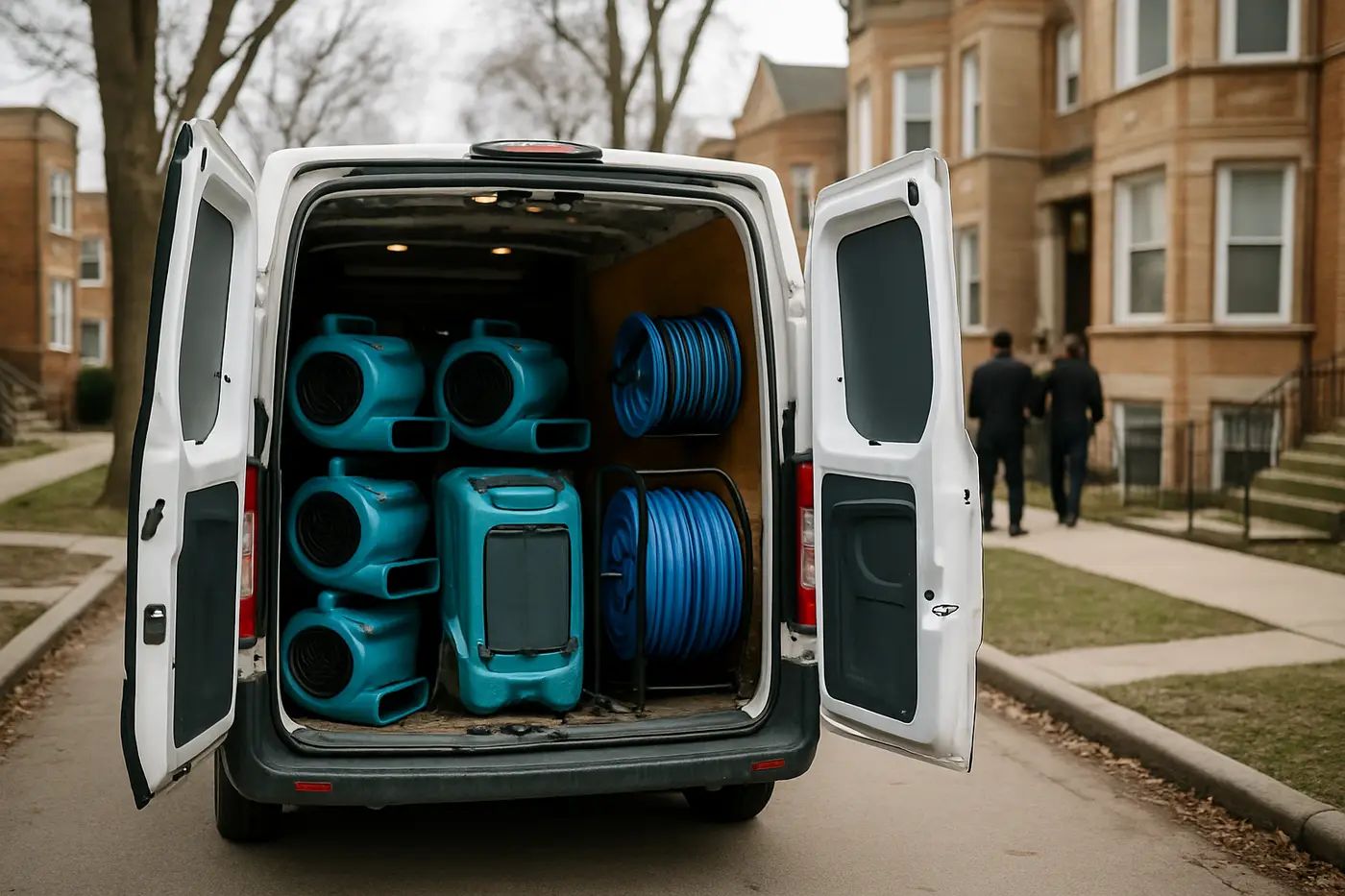
Structural drying typically runs three to five days with air movers and LGR dehumidifiers monitored daily, longer for saturated slabs, subfloors and wall cavities. Chicago summer humidity gives wet drywall and wood around 24 to 48 hours before mold colonizes, which is why extraction on day one matters more than anything that happens later. Equipment comes out when the meters say the materials are back to dry standard, not on a fixed day.
Water in your Lincoln Park property?
Let's get Lincoln Park dry, properly.
Tell us what happened, where the water is and whether it is still active. A restoration coordinator will confirm coverage for Lincoln Park, an arrival window and what your adjuster will need.