- #carpet
- #carpet-pad
- #water-category
- #48-hour-rule
- #basement
- #chicago
Yes, wet carpet can usually be saved if the water was clean (Category 1), drying starts within 48 hours and the carpet was in good condition to begin with. The pad underneath is usually replaced. Carpet wet from a sewer backup or outside flooding (Category 3) is removed, not dried, no matter how new it is.
Those three conditions, water category, time and the condition of the carpet, decide almost every carpet call we take in Chicago. This article walks through each one, then covers the case that trips up the most homeowners: carpet laid directly on a basement slab.
Carpet and pad are two separate decisions
People talk about “the carpet” as one thing. It is two layers, and they behave very differently when wet.
Carpet is a face fiber, usually nylon, polyester or olefin, tufted into a backing that is held together with latex. Synthetic fibers do not absorb much water themselves. The backing does, and the latex that bonds the two backing layers together weakens when it stays wet, which is what causes delamination.
Pad (or cushion) is the rebond foam or fiber layer underneath. It is designed to absorb impact, which means it is also designed to absorb water. Pad soaks up several times its own weight, holds it against the subfloor, releases it slowly, and starts to break down and smell within a day or two. EPA guidance notes that mold can begin growing on damp materials within 24 to 48 hours. It is also the cheapest material in the room.
That is why the default on most jobs is dry the carpet, replace the pad. On a room that was wet wall to wall, the extra drying days cost more than new pad, and the old pad is the biggest mold risk in the room.
The water category decides before anything else
Under the IICRC S500 standard, water is sorted by contamination. The category, not the volume, is the first thing that decides what happens to the carpet.
| Category | Typical Chicago sources | Carpet | Pad |
|---|---|---|---|
| 1 (clean) | Burst supply line, water heater, refrigerator or washer supply hose, rain through a window | Dry and reinstall | Replace, unless caught within hours |
| 2 (gray) | Dishwasher or washing machine discharge, sump pit overflow, Category 1 water left more than 48 hours | Usually dry, with cleaning and antimicrobial treatment | Replace |
| 3 (black) | Combined sewer backup through a floor drain or toilet, river or overland flooding, any water left more than a few days | Remove and dispose | Remove and dispose |
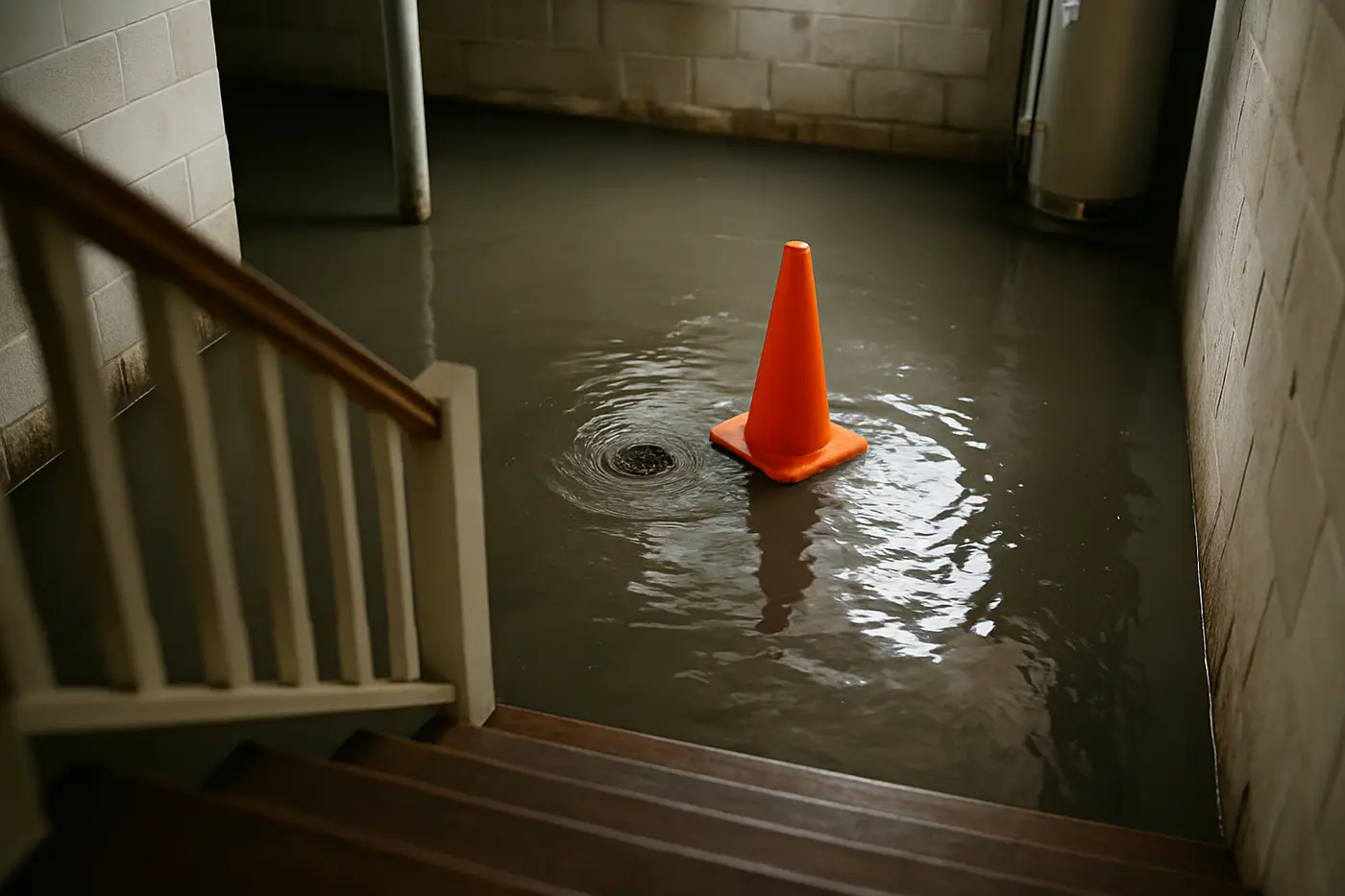
The Chicago problem is that most basement flooding is Category 3. When a summer storm overwhelms the combined sewer, the water that comes up the floor drain is stormwater mixed with sewage. The MWRD runs the regional sewer and stormwater system and publishes basement flooding guidance. It often looks clear. It is still black water, and the carpet it touched is a disposal item, not a drying item. On July 2, 2023, that was the case in thousands of basements across the West Side, Cicero and Berwyn.
A burst pipe in an upstairs bathroom that soaks the carpet below is the opposite case: clean water, and the carpet is almost always worth saving if we get to it quickly.
The 48-hour rule
Time is the second gate. Clean water does not stay clean. Under the S500 standard, Category 1 water that sits for more than 48 hours in warm conditions is treated as Category 2, because bacteria multiply and the water picks up whatever is in the carpet, the pad and the subfloor.
Inside that same window, three other things happen to the carpet itself:
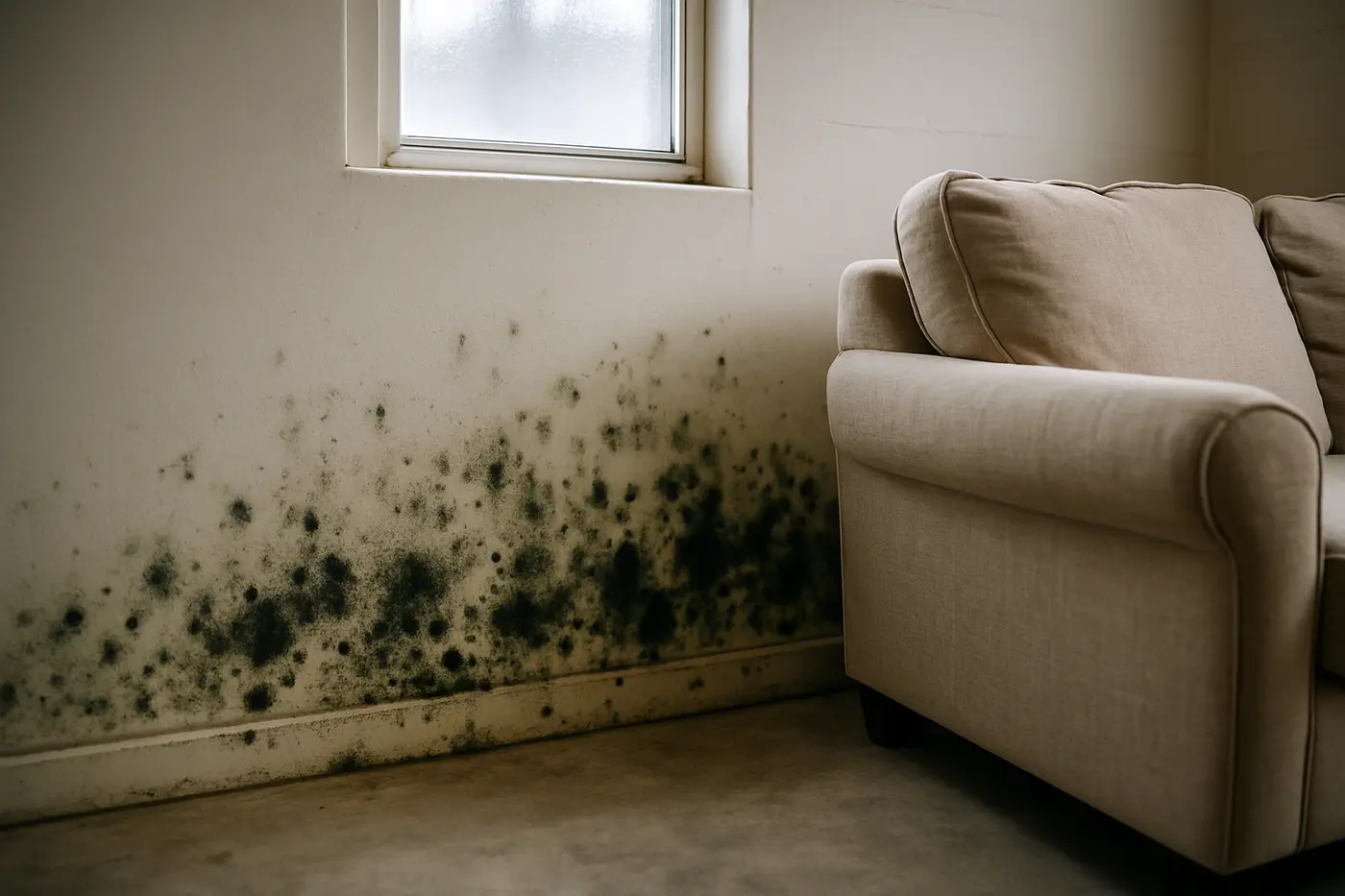
- Mold begins on the pad and backing. In Chicago summer humidity, 24 to 48 hours is enough. The carpet may look fine on top while the underside is spotting.
- The latex weakens. Wet latex loses its grip, and the two backing layers start to separate. Once that has happened, the carpet will not lie flat again after drying.
- Dyes and stains migrate. Furniture legs leave rust rings, wood stain bleeds, and dark carpet dye can wick into lighter fibers.
The clock starts when the carpet got wet, not when you noticed. That matters in a garden unit that was empty for the weekend or an apartment where the tenant did not call. Past two days, we assume the pad is gone and look hard at the carpet before committing to dry it.
Basement carpet on a slab: the Chicago problem
Nearly every house in Chicago has a basement, and finished basements with carpet are the most common water loss we see. Carpet on a concrete slab is harder to save than carpet on a wood subfloor upstairs, for reasons that have nothing to do with the carpet itself.
The slab holds water. Concrete absorbs water and gives it back for a week or more. Carpet that reads dry on Monday can be damp again on Wednesday because the slab underneath is still releasing moisture into the backing. This is the main reason basement dry-outs run 5 to 10 days rather than 3 to 5.
The slab is cold. Basement floors in Chicago sit around 55 to 60 degrees most of the year. Cold surfaces evaporate slowly, and humid summer air condenses on them, so the carpet backing is fighting moisture from both sides.
Tack strip rusts. The nails and the strip itself rust when wet and stain the carpet edge within days. Rusted strip is replaced before the carpet goes back down.
Basement carpet is often glued down or laid as tiles. Stretched-in carpet can be lifted and dried from underneath. Glue-down carpet cannot be lifted without destroying it, so it dries from the top only, and any water under the adhesive stays there. Carpet tiles are the easy case: lift them, dry the slab, relay or replace the wet ones.
There is often something else under it. Many finished basements have a plywood or OSB subfloor on sleepers, or a dimpled plastic underlayment, between the carpet and the slab. Water trapped in that layer will not dry through the carpet. Usually a section is opened so we can meter and dry the cavity, and OSB that has swollen is replaced.
We see this most in the Bungalow Belt, in the shared basements of two-flats and three-flats, and in the carpeted rec rooms of post-war ranches in Skokie, Park Ridge and Des Plaines.
How a carpet is dried when it can be saved
When the category and the time both allow it, this is the sequence. It is the same one described in the IICRC S500 standard and it is what our water extraction crews do on a carpet job.
- Photograph and meter everything before it is touched. The adjuster will want the “before” state and a moisture map.
- Extract. A weighted extraction tool pulls water from carpet and pad far better than a wand or a shop vacuum. This step removes most of the water in the room.
- Disengage the carpet along one wall and pull the pad. Bag it, note the square footage for the claim, and keep a sample.
- Clean and treat the subfloor or slab with an antimicrobial matched to the water category.
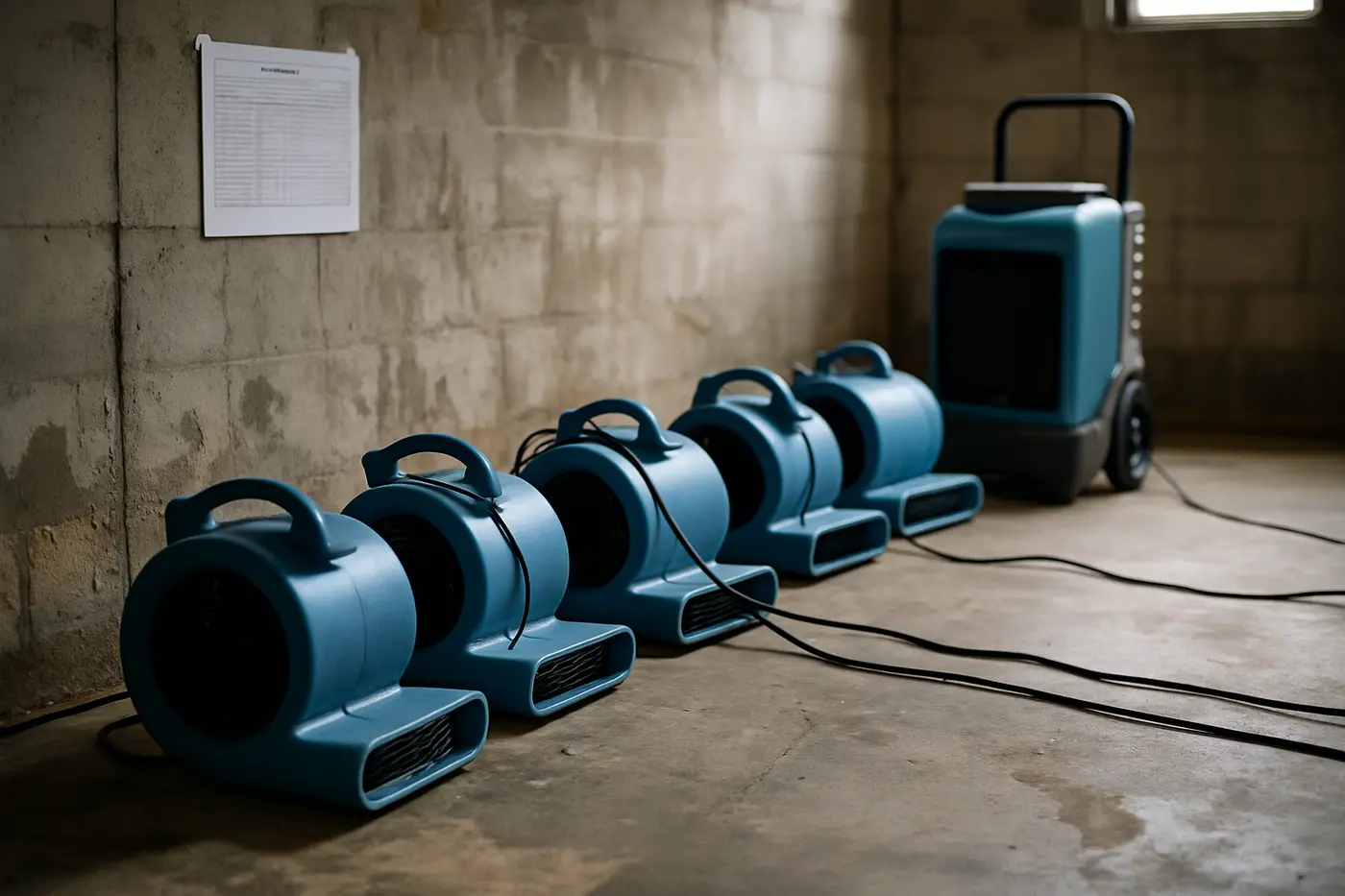
- Set air movers. Depending on the carpet, we either float it, with air movers blowing underneath, or dry it top-down with air movers across the surface. Floating is faster but can stretch the backing, so it is a judgment call made on site.
- Run an LGR dehumidifier so the room air stays drier than the carpet. Without it, the moisture just moves from the carpet into the drywall.
- Meter daily until the carpet, subfloor and surrounding walls reach the dry standard.
- Replace tack strip where rusted, install new pad, restretch and clean the carpet.
Carpet drying and restoration, including the pad assessment, runs $200 to $600 per room in Chicago. New pad, tack strip and restretching are quoted on the square footage of the room.
Signs the carpet is past saving
Sometimes the category and the timing look fine and the carpet still fails. These are the signs we look for before committing to a dry-out, and again once the carpet reads dry:
- Delamination. The backing separates and the carpet forms ripples or bubbles that stay after drying. It cannot be restretched flat.
- Crumbling latex. Fold a corner back; if the backing powders or the fibers pull out easily, the bond is gone.
- Odor after drying. A musty or sour smell once the carpet and room read dry means the backing is holding bacteria or mold growth.
- Widespread staining. Dye migration, rust rings and stain bleed across a large area that cleaning does not lift.
- Age and grade. Builder-grade carpet that was already worn is often cheaper to replace than to dry, restretch and clean.
- Any doubt about the category. If there is any chance the water passed through a drain, a sump pit or contaminated ground, it is treated as Category 3.
Insurance and documentation
Whether the carpet is dried or replaced, the paperwork is the same. A standard Illinois homeowners policy covers carpet damaged by a sudden and accidental discharge such as a burst pipe or a failed water heater. Sewer backup and sump pump overflow are covered only if you carry a water backup endorsement, which is exactly the coverage most Chicago basements need. Our guide to sewer backup versus flood claims in Illinois explains the difference.
Before anything is removed:
- Photograph every room from the doorway, then close-ups of the wet edge, the pad and the tack strip.
- Note the date and time the carpet got wet, if known.
- Keep a one-foot square of carpet and pad for the adjuster to match the quality.
- Ask for the moisture map and the drying log; the log shows the carpet was actually dried, not left to air out.
Mitigation costs, including extraction, pad removal and drying, are generally covered when documented, even if the carpet is later replaced.
Key takeaways
- Carpet and pad are separate decisions: carpet is often saved, pad is almost always replaced.
- The water category comes first. Combined sewer backup is Category 3, and that carpet is removed, not dried.
- Clean water gives you about 48 hours before mold, delamination and bacterial growth turn a drying job into a replacement.
- Basement carpet on a slab takes longer, 4 to 7 days for the carpet and up to 10 for the room, because the concrete keeps releasing moisture.
- Glue-down carpet and carpet over an OSB subfloor are harder to save than stretched-in carpet.
- Odor, rippling or crumbling backing after drying means replace.
- Photograph, keep a sample and get the drying log for the claim.
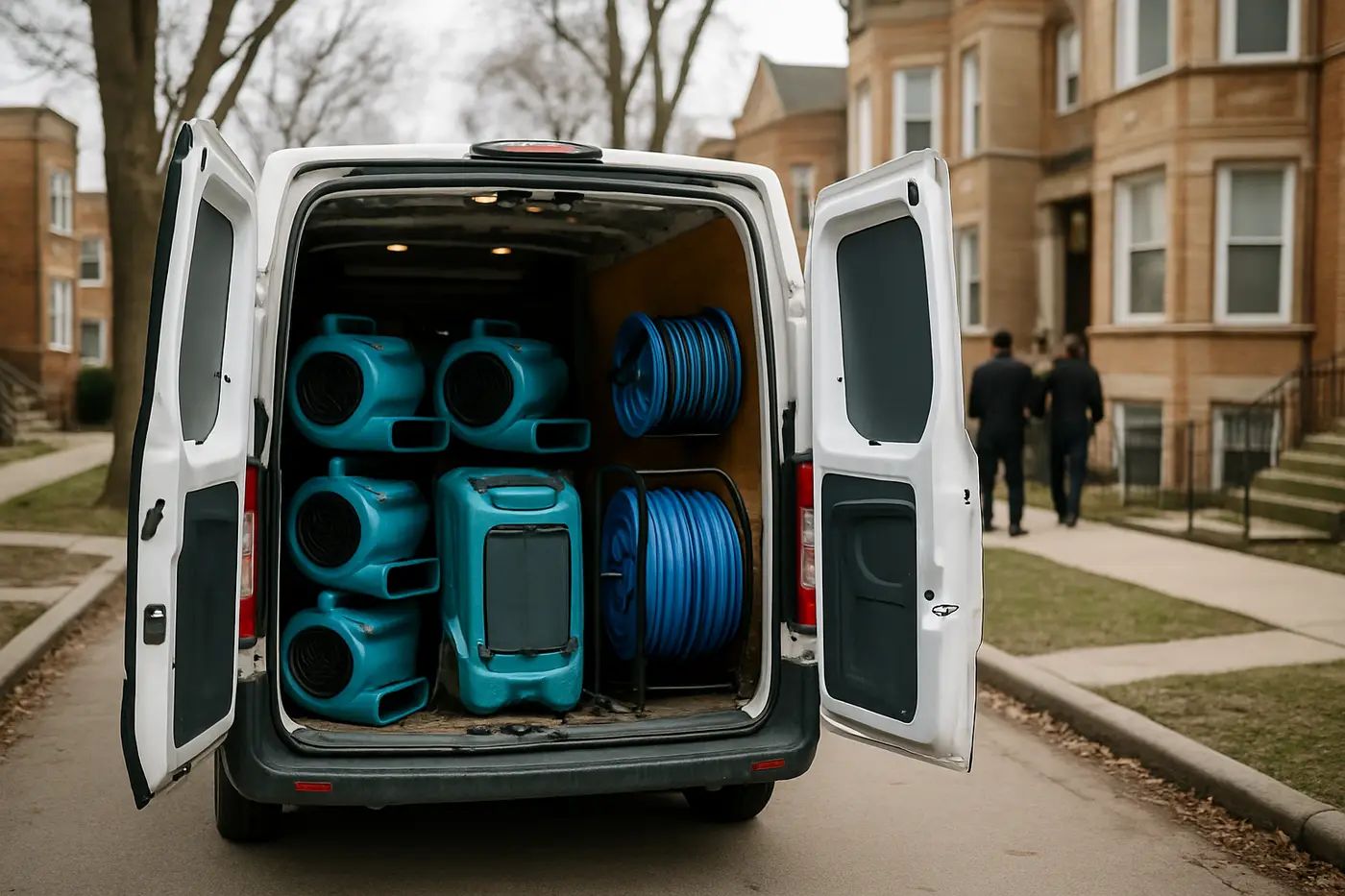
If a room is wet now, blot, get the furniture up on blocks, and call. Our water damage restoration crews cover Chicago and the surrounding suburbs and can usually extract the same day, which is the single biggest factor in whether your carpet survives.