- #basement-flooding
- #chicago-neighborhoods
- #combined-sewer
- #rivers
- #flood-history
- #suburbs
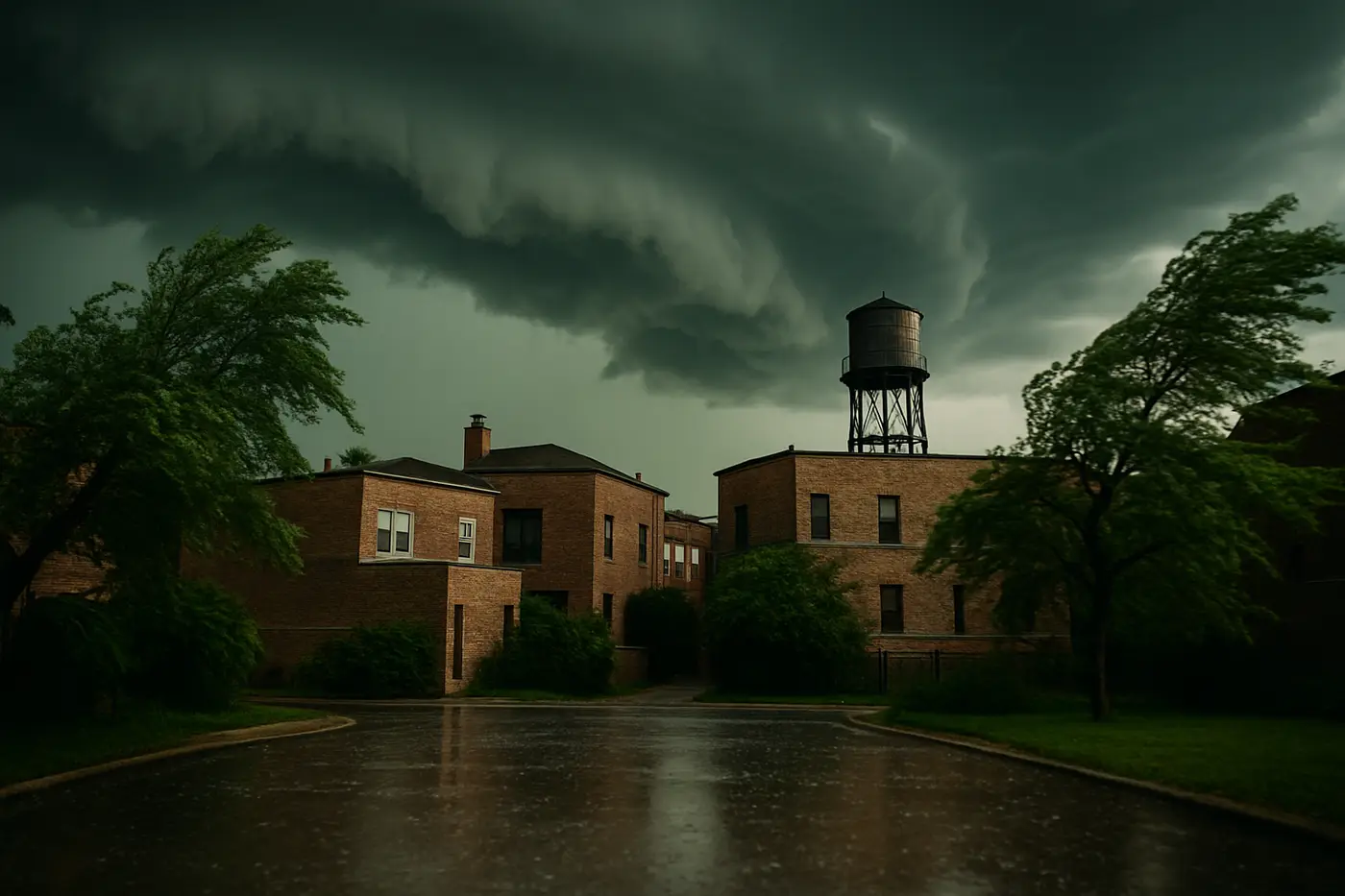
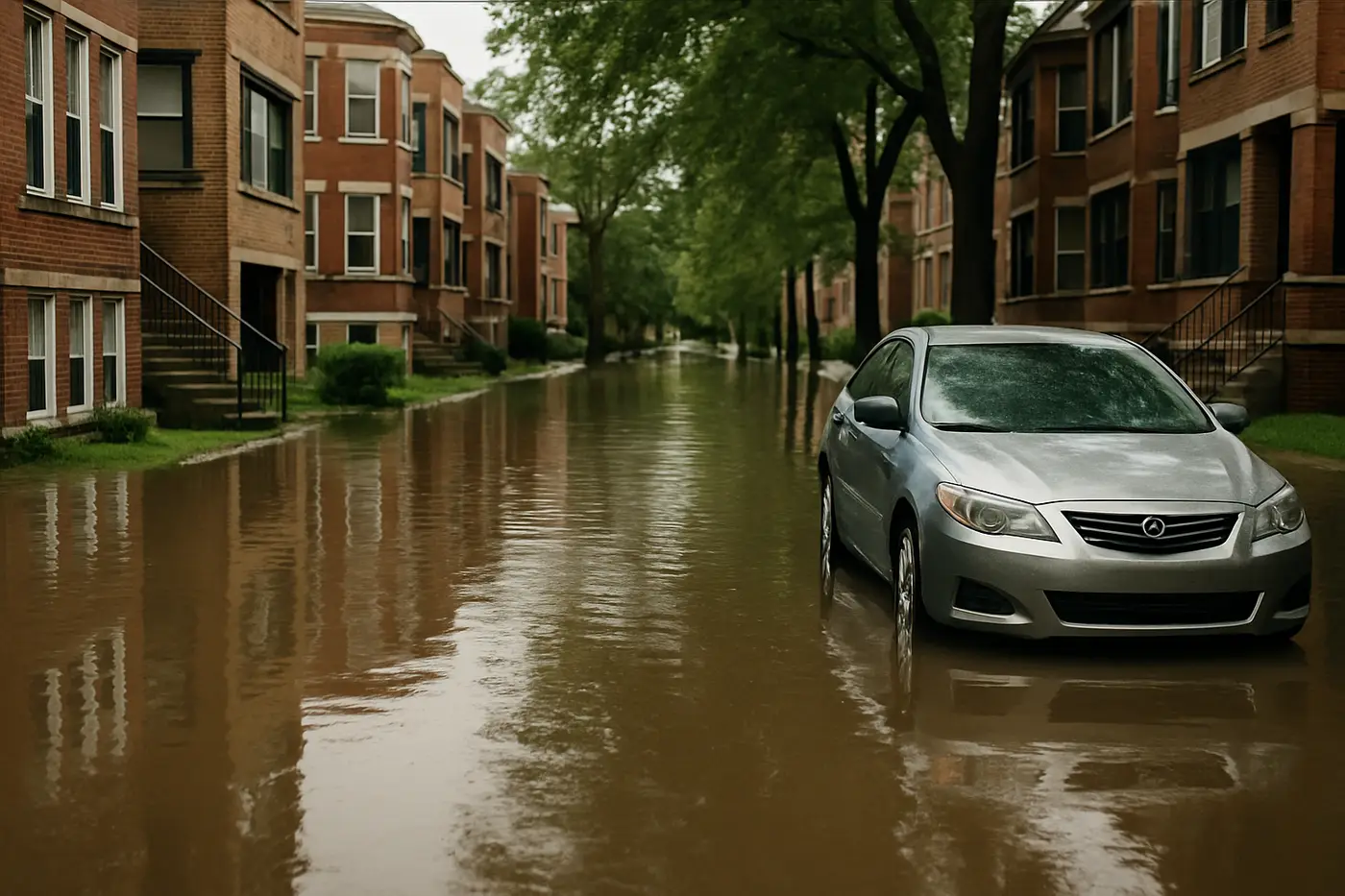
Chicago basements flood for three different reasons: combined sewer backups across most of the city and the older inner suburbs, river overflow along the Des Plaines, the Chicago River’s North and South Branches, the DuPage River and Salt Creek, and Lake Michigan high water on the lakefront. Which one applies depends on your block, not your ZIP code.
Nearly every house in Chicagoland has a basement, and a finished basement is the most common water loss we attend. This article explains the three mechanisms, the region’s flood history, and then which pattern applies to each neighborhood.
Three ways a Chicago basement floods
| Mechanism | Where it applies | Water category | How it shows up | Insurance |
|---|---|---|---|---|
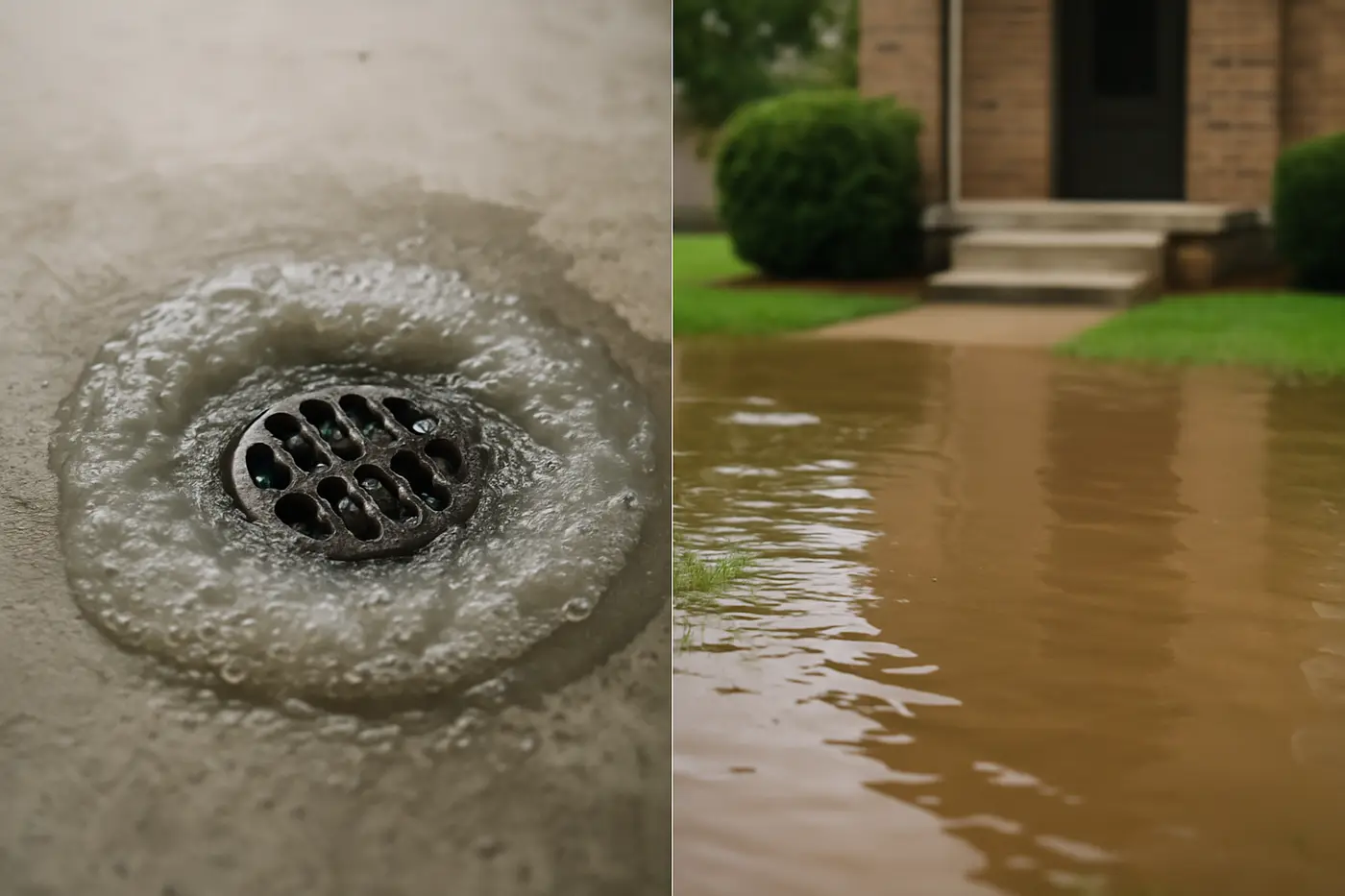
| Combined sewer backup | Most of the City of Chicago; Oak Park, Cicero, Berwyn, parts of Evanston | Category 3 (black water) | Water rising from the floor drain, basement toilet or shower during a downpour | Excluded unless you carry a water backup endorsement |
| River and creek overflow | Des Plaines River, North Branch, South Branch, DuPage River, Salt Creek, Addison Creek, North Shore Channel, Little Calumet | Category 3 | Water through window wells, walkout doors and foundation walls after days of rain or a fast rise | Excluded; needs a separate NFIP or private flood policy |
| Lake Michigan high water | Rogers Park, Edgewater and other shoreline blocks | Category 3 | Shoreline erosion, waves over revetments, saturated ground near the shore | Excluded; needs a flood policy |
A fourth cause, sump pump failure, applies wherever a house relies on a pump, usually during the power outage that arrives with the storm.
Combined sewer backup
Chicago’s older sewers carry rain and sewage in the same pipe. In a short, intense summer storm the system surcharges and pushes sewage-laden water back up the building sewer and out of the lowest openings, which are the basement floor drain and fixtures. The MWRD’s Tunnel and Reservoir Plan (Deep Tunnel), with the Thornton reservoir (2015) and McCook Stage 1 (2017), reduced these backups but did not end them. The water is always treated as sewage.
River and creek overflow
Chicagoland is flat, and its rivers rise slowly after regional rain and then sit high for days. The Des Plaines River, the North Branch of the Chicago River, the DuPage River and its West Branch, Salt Creek, Addison Creek, the North Shore Channel and the Little Calumet River all have blocks that flood when they crest. River water is surface flooding, which a standard homeowners policy excludes.
Lake Michigan
Lake levels hit record highs in 2020, and the shoreline in Rogers Park and Edgewater saw flooding and erosion. It is the least common of the three mechanisms and the most destructive where it strikes.
The region’s flood history in six storms
- July 1996. DuPage County record, about 17 inches near Aurora. The DuPage River and West Branch flooded Naperville and West Chicago.
- September 13 to 14, 2008. The remnants of Hurricane Ike dropped a record daily rainfall of about 6.6 inches at O’Hare. The Des Plaines River flooded Des Plaines, Park Ridge and the river towns downstream.
- July 23 to 24, 2010. About 7 inches overnight on the West Side and the western suburbs. Combined sewers surcharged across the West Side, Cicero and Oak Park.
- April 17 to 18, 2013. Region-wide flooding, a record crest on the Des Plaines River and a federal disaster declaration.
- May 14 to 18, 2020. The Chicago River overtopped downtown and flooded basements in the Loop, including high-rise sub-grade levels.
- July 2, 2023. Record rainfall of up to about 9 inches on parts of the West Side, Cicero and Berwyn, thousands of flooded basements and a federal disaster declaration for Cook County.
Notice the pattern: the West Side floods from the sewer, the Des Plaines corridor floods from the river, and downtown floods when the river overtops.
The West Side and inner western suburbs
Austin, Cicero, Berwyn and Oak Park sit on combined sewers with long, flat runs, and they took the worst of both July 2010 and July 2, 2023. The housing is brick bungalows and two-flats with full basements, many finished, many with a garden unit. When the sewer surcharges, every basement on the block goes at once, which is why the 2023 storm produced thousands of claims in a few hours. Cicero and Berwyn are bungalow towns, and Oak Park’s Victorian and Prairie-style homes bring deep old basements to the same sewer problem.
Further in, the West Loop, Wicker Park and Pilsen are also combined-sewer territory. The West Loop’s converted timber-loft buildings have sub-grade mechanical rooms and parking; Wicker Park’s greystones have garden units at or below grade; Pilsen’s frame worker cottages have low, older basements that flood from the floor drain first.
Albany Park and the North Branch
Albany Park is the clearest example of river flooding inside the city. The North Branch of the Chicago River wraps around the neighborhood, and for years a heavy regional rain sent it over its banks into nearby streets and basements, notably in 2008 and 2013. The Albany Park Stormwater Diversion Tunnel opened in 2018 to carry high flows past the neighborhood. But Albany Park’s two-flats and courtyard buildings are still on a combined sewer, so basement backups during a downpour remain possible.
Downtown: the Loop, River North, Streeterville and the South Loop
From May 14 to 18, 2020, days of rain sent the Chicago River over its walls and into downtown. Water reached basements in the Loop, and high-rise sub-grade levels flooded, taking electrical rooms, elevator pits and parking with them. River North, Streeterville and the South Loop share the same exposure: high-rises and converted loft buildings with several levels below grade, and a river a block or two away. Even in residential towers the losses are commercial-scale, and the association’s master policy and the unit owners both end up involved.
The North Side: Lincoln Park, Lakeview and Logan Square
Lincoln Park, Lakeview and Logan Square do not have a river problem, but they have the combined sewer under every street and a high density of greystones, brick walk-ups and courtyard buildings with garden units. A garden apartment sits at or below the sewer’s surcharge level, so it takes water first and worst. The other North Side pattern is multi-unit water travel: a burst supply line on a top floor runs down through two or three units before it reaches the basement, a year-round risk rather than a storm one.
The South Side: Bridgeport, Hyde Park, Beverly and Chatham
Bridgeport sits on the South Branch of the Chicago River and Bubbly Creek, with frame worker cottages and two-flats on combined sewers, so it faces both mechanisms. Hyde Park’s courtyard apartment buildings have shared basements with laundry rooms and storage that take sewer backups block by block. Beverly and Chatham are Bungalow Belt neighborhoods: brick bungalows built roughly 1910 to 1940 with full, often finished basements where the floor drain is the entry point when the sewer surcharges. Further south, the Little Calumet River adds river flooding on the far South Side and in the south suburbs.
The lakefront: Rogers Park and Edgewater
Record high Lake Michigan levels in 2020 flooded and eroded the shoreline in Rogers Park and Edgewater. Inland courtyard buildings still face the combined sewer first, but the shoreline blocks carry a separate exposure that only a flood policy covers.
The north suburbs: Des Plaines, Park Ridge, Evanston and Skokie
Des Plaines and Park Ridge are Des Plaines River towns. The river’s record crest in April 2013 and the Hurricane Ike remnants in September 2008 both put river water into the basements and crawl spaces of post-war ranches and split-levels nearest the channel. These suburbs mostly have separate storm and sanitary sewers, so the failure mode is river water and sump pump overload rather than sewage from the floor drain. Riverside and Lyons, downstream, follow the same pattern. Evanston is partly on a combined sewer and shares the North Shore Channel with Skokie, so both see a mix of sewer backups in older blocks and channel-side overflow after regional rain.
The west suburbs: Naperville, West Chicago, Elmhurst and beyond
Naperville and West Chicago sit on the DuPage River and its West Branch, and the July 1996 storm, with about 17 inches near Aurora, remains the reference flood for both. Their post-war ranches and newer subdivisions rely on sump pumps, so the combination of a high water table and a power outage is the usual story. Elmhurst and Villa Park flood from Salt Creek; Bellwood and Westchester from Addison Creek.
Why the housing stock makes it worse
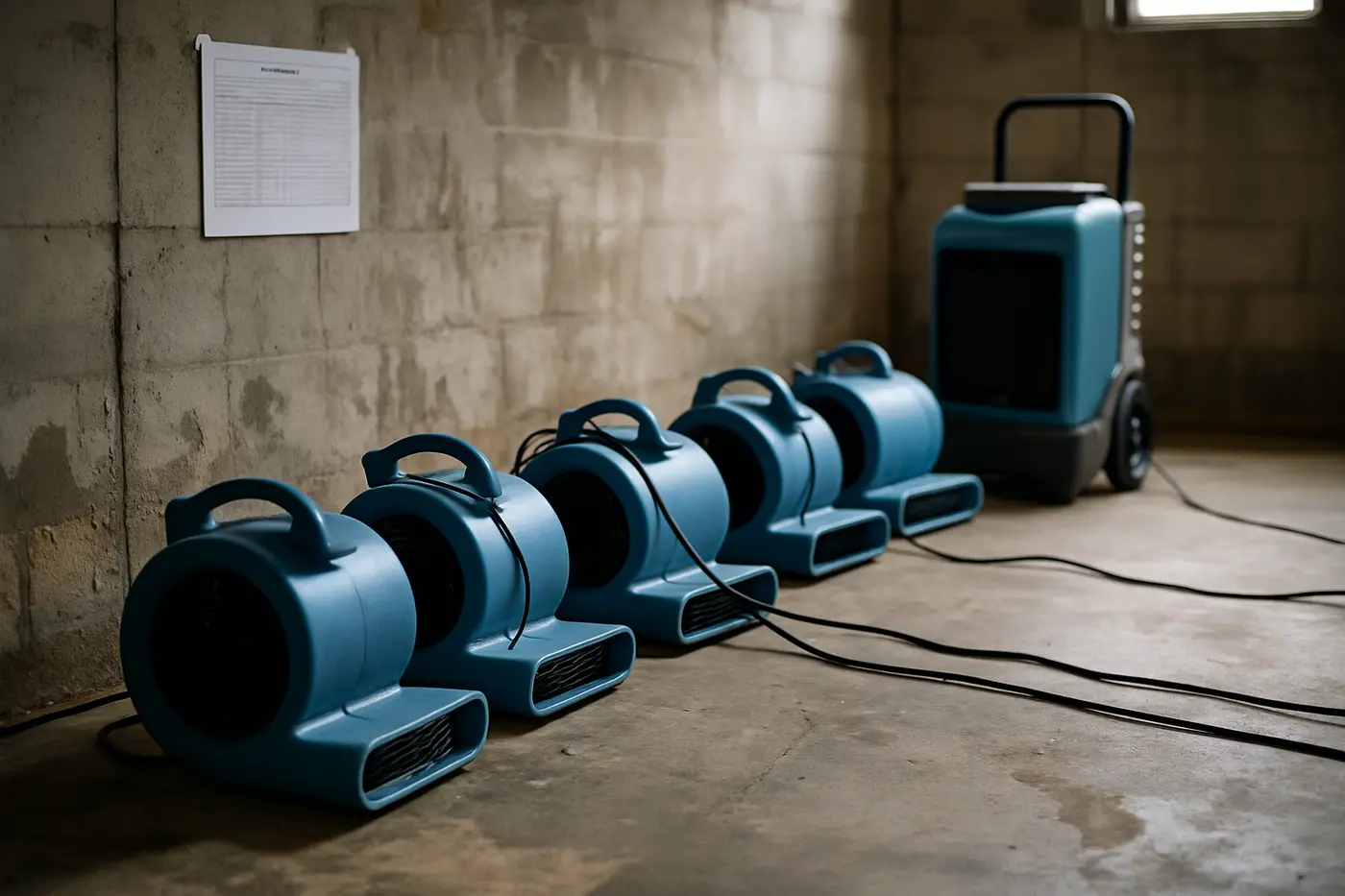
Chicago’s housing turns a moderate flood into an expensive one. Roughly 80,000 brick bungalows across the Bungalow Belt have full basements finished over the decades with drywall, paneling, carpet and a bathroom. Two-flats and three-flats have a shared basement laundry and often a garden unit that is somebody’s home. Courtyard buildings and high-rises keep storage, mechanical rooms and electrical service below grade. In each case the water lands on drywall, carpet pad and stored contents, which in a cool, damp basement support mold within 24 to 48 hours, and a basement takes five to ten days to dry rather than three to five.
What to do about your block’s risk
- Combined sewer block: a backwater valve or an overhead sewer conversion, plus a water backup and sump discharge or overflow endorsement on your policy, typically $5,000 to $25,000 in limits.
- River or lake block: a separate NFIP or private flood policy, window well covers, and contents stored high.
- Sump pump house: a battery backup pump and an alarm, tested before May.
- Every basement: know the breaker panel, keep the floor drain clear, and photograph the space before the season.
Our summer storm checklist goes through each fix in detail, and sewer backup vs flood explains how an Illinois claim is decided between the two.
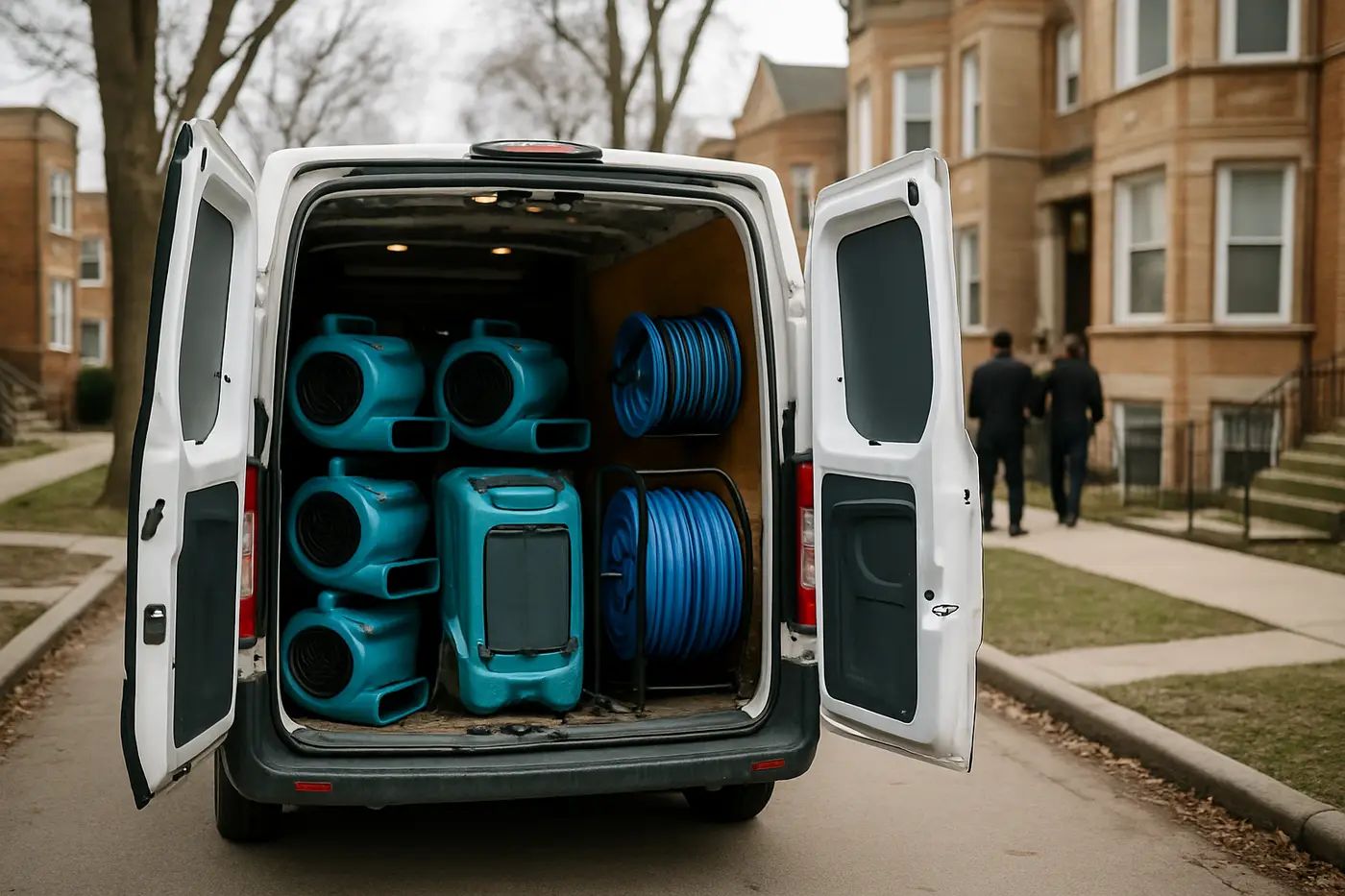
When the water does come, cleanup for a flooded basement runs $1,500 to $10,000, and sewage backup cleanup and sanitization runs $3,000 to $10,000. Our basement flooding cleanup and flood damage restoration crews work to the IICRC S500 standard and cover every neighborhood and suburb named above.
Key takeaways
- Chicago basements flood from combined sewer backups, river overflow or Lake Michigan high water, and the mechanism decides both the fix and the insurance.
- The West Side, Cicero, Berwyn and Oak Park flood from the sewer: July 2010 and July 2, 2023.
- Des Plaines, Park Ridge, Riverside and Lyons flood from the Des Plaines River: 2008 and 2013.
- Naperville and West Chicago flood from the DuPage River: July 1996.
- Downtown floods when the Chicago River overtops: May 2020, including high-rise basements.
- Albany Park’s river problem eased with the 2018 diversion tunnel; Rogers Park and Edgewater showed their lakefront exposure in 2020.
- Deep Tunnel reduced backups; it did not eliminate them. Fix your own building sewer.
If you are not sure which pattern applies to your block, send us the address and a description of the last flood.