Emergency restoration services · Chicago & the Suburbs
Every kind of water damage,
one accountable team.
Ten restoration services, one process: stop the water, extract, map the moisture, dry to the IICRC S500 standard and document every step for your adjuster. Pick the service that matches what has happened, or send the form and let a coordinator work it out with you.
- 24/7 Response
- Local Technicians
- Insurance Reports
- Direct Contact
- Homes & Business
Request Emergency Water Damage Help
All services
Choose the help your
property needs.
Each page explains what is included, the signs to look for, how the job runs, typical 2026 prices for Chicago and the questions property owners ask before booking.
- 01 · Most requested
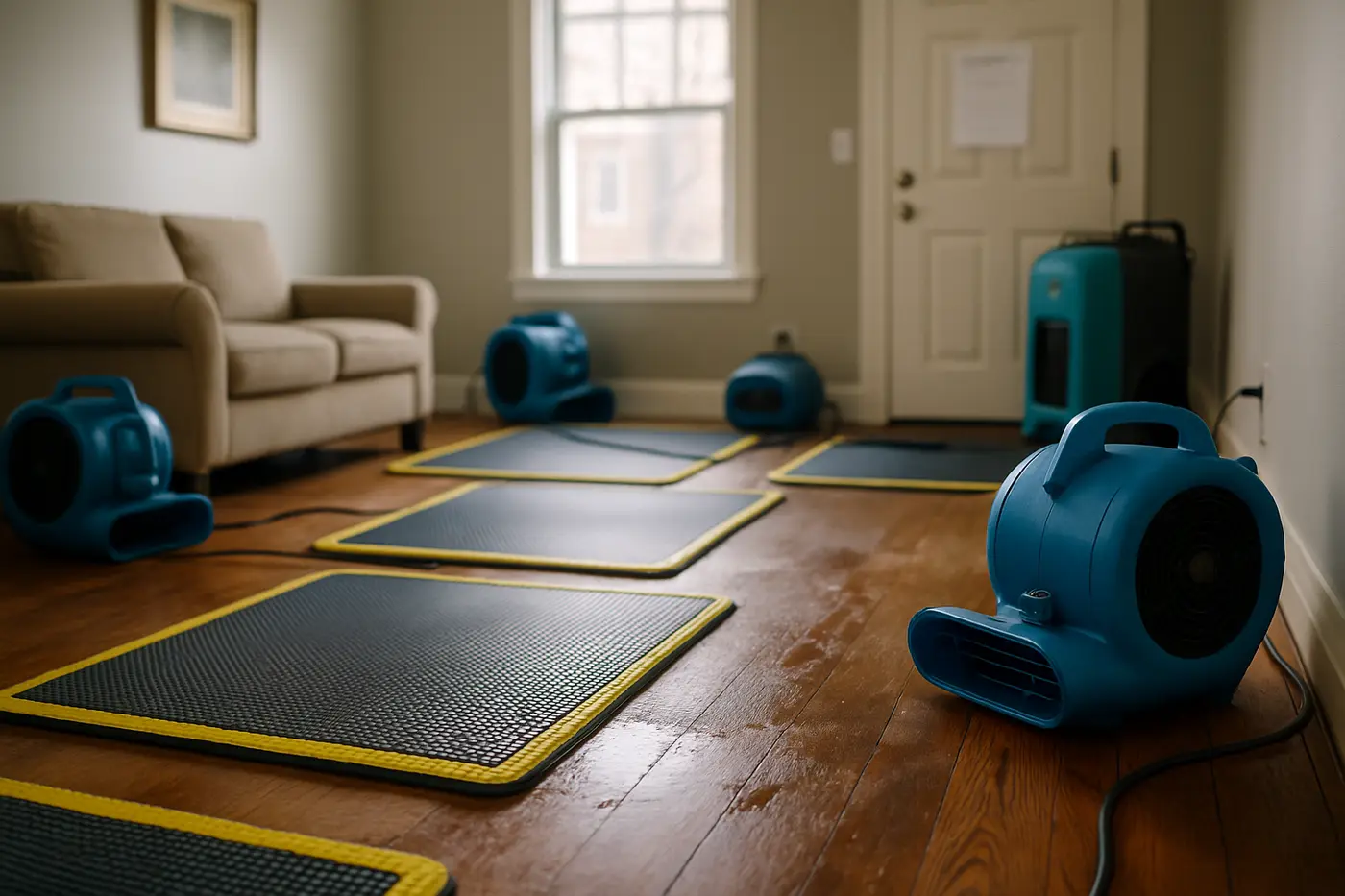
Water Damage Restoration
Extraction, moisture mapping, structural drying and sanitizing after burst pipes, leaks and overflows.
Learn more - 02
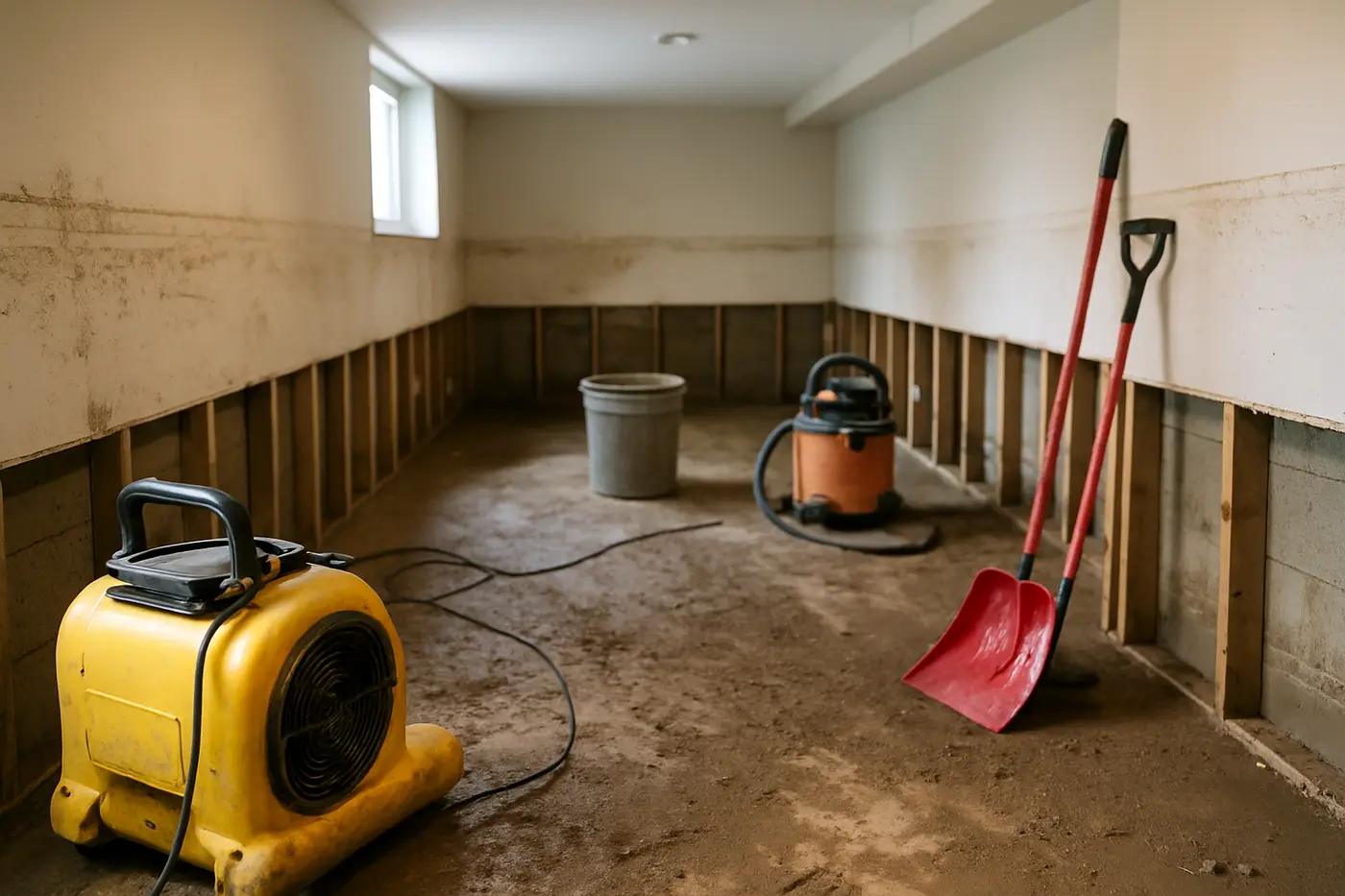
Flood Damage Restoration
River, overland and storm flood cleanup: contaminated water removed, materials stripped, structure dried and treated.
Learn more - 03
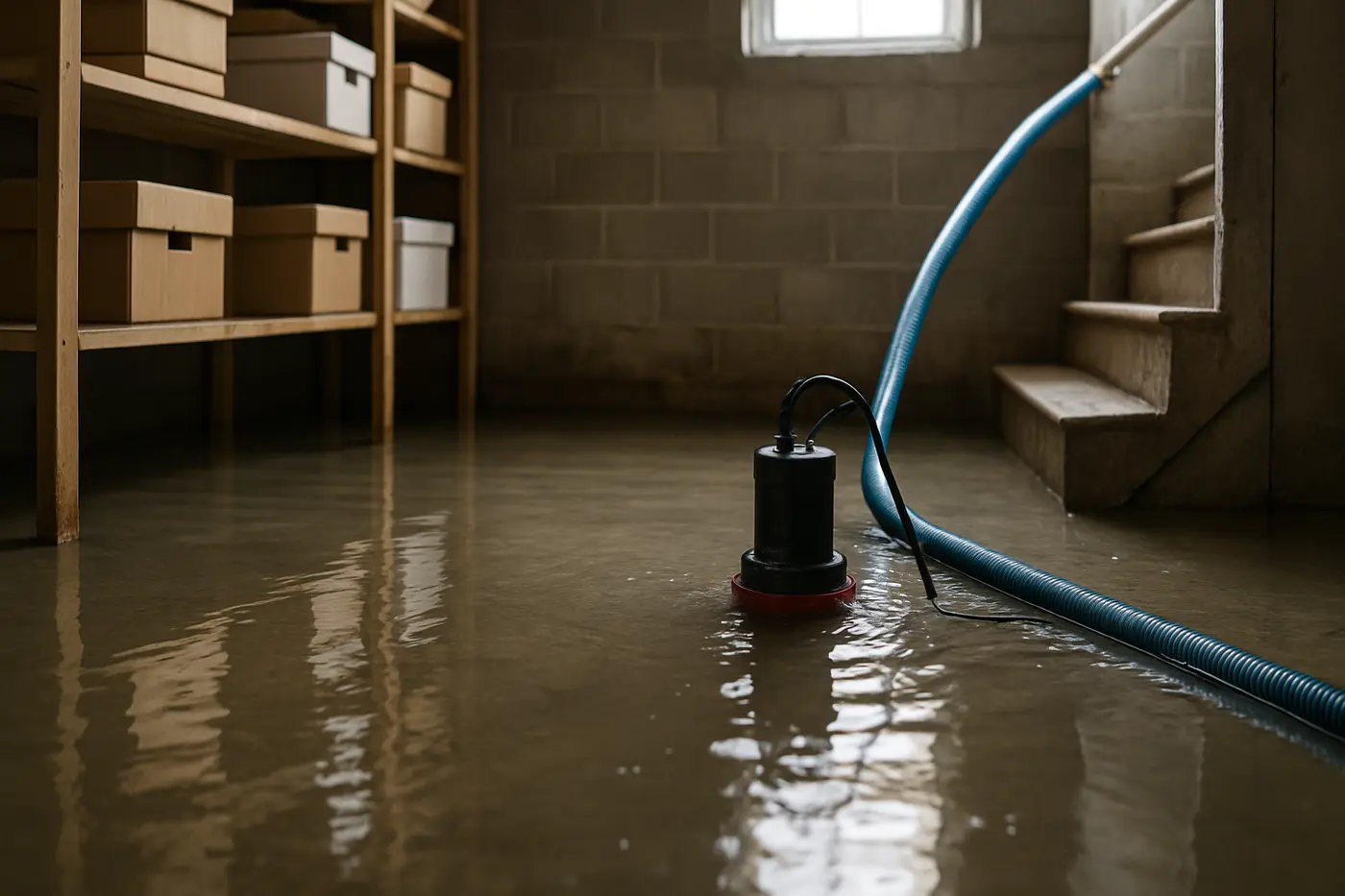
Basement Flooding Cleanup
Pump-out, extraction, disposal of soaked finishes and monitored drying for flooded basements.
Learn more - 04
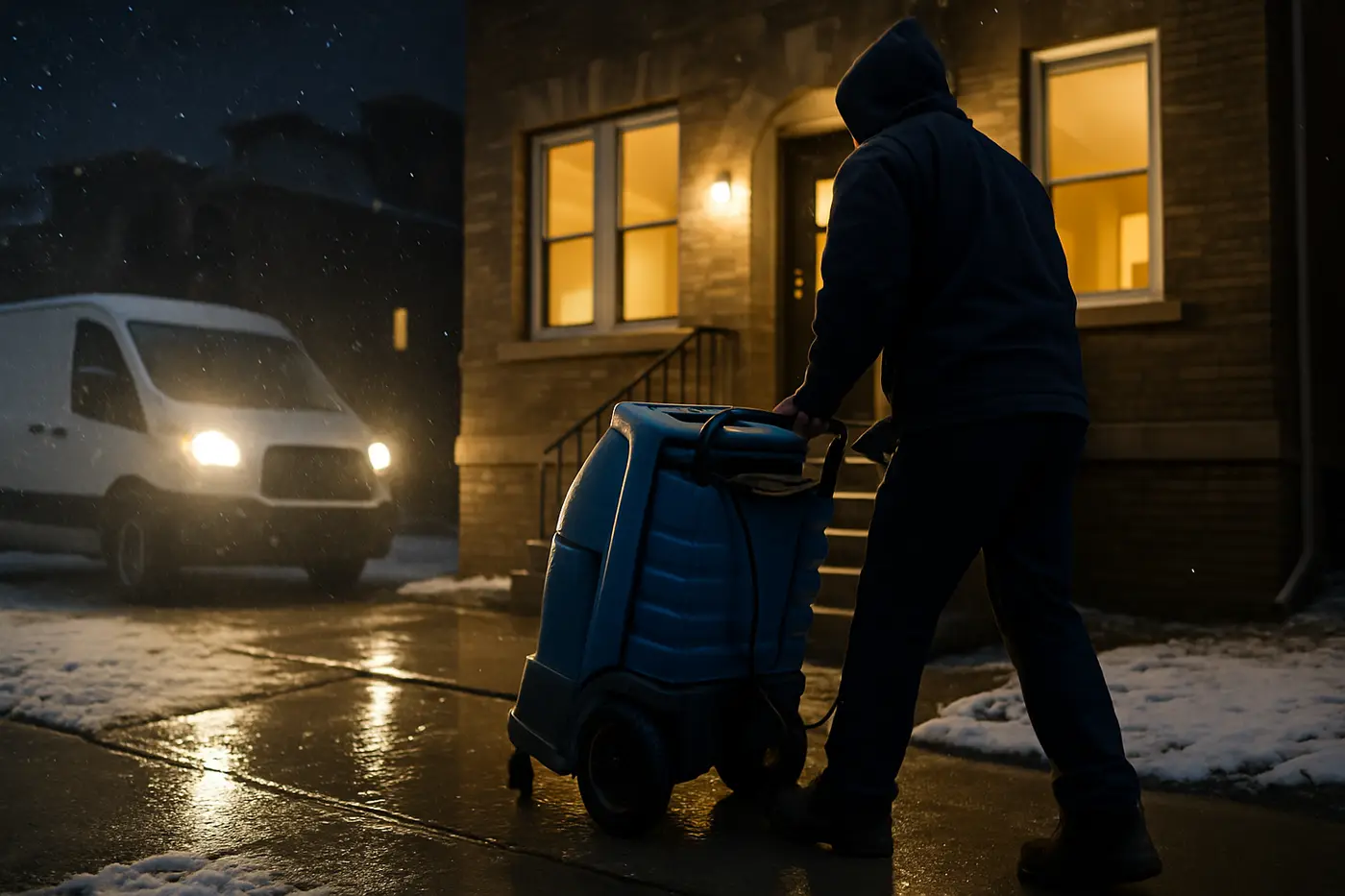
Emergency Water Damage
24/7 dispatch for active water. Stop the spread, extract, stabilize and document for the adjuster.
Learn more - 05
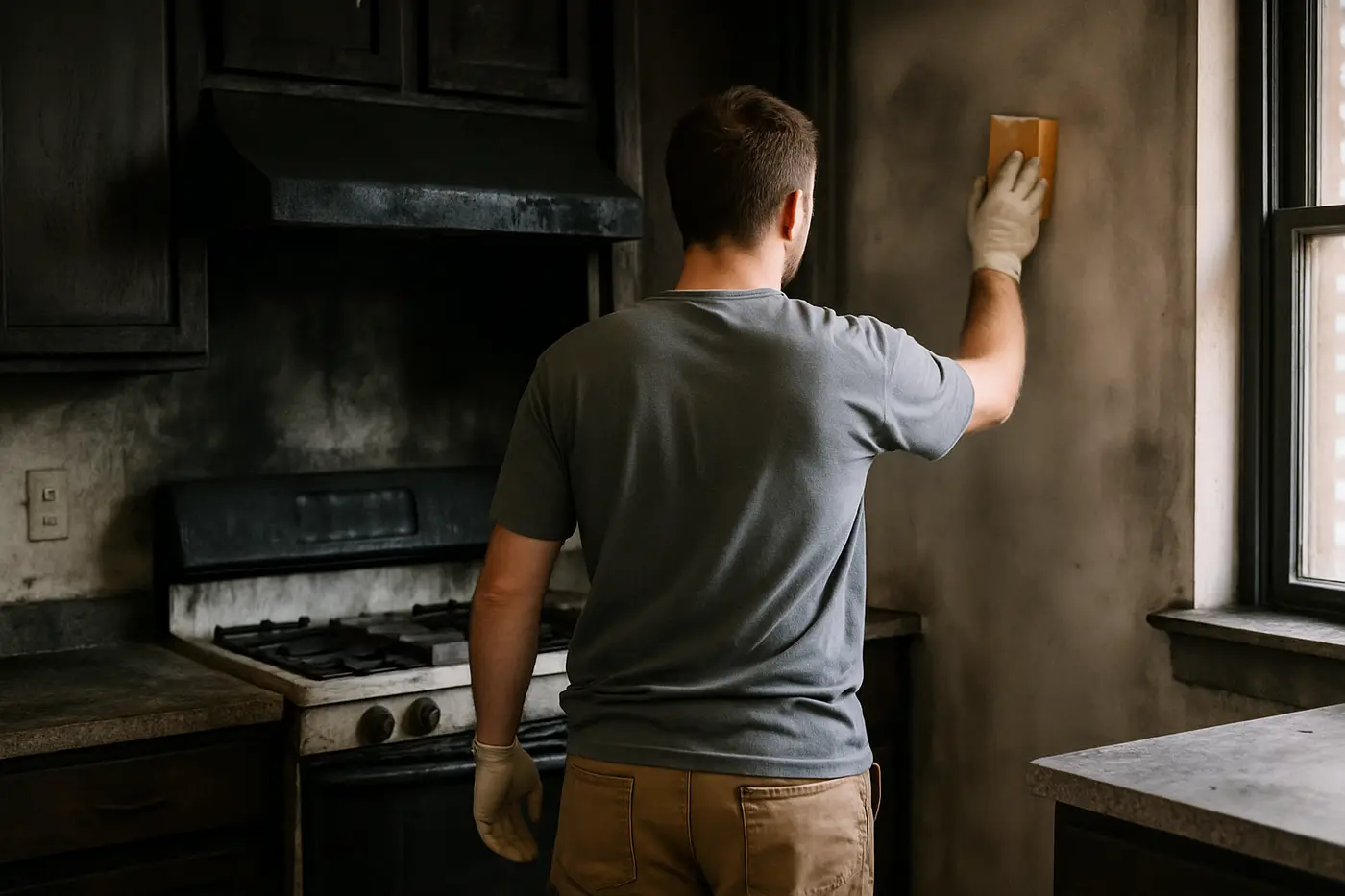
Fire and Smoke Damage Restoration
Soot and odor removal, contents cleaning and water damage from firefighting.
Learn more - 06
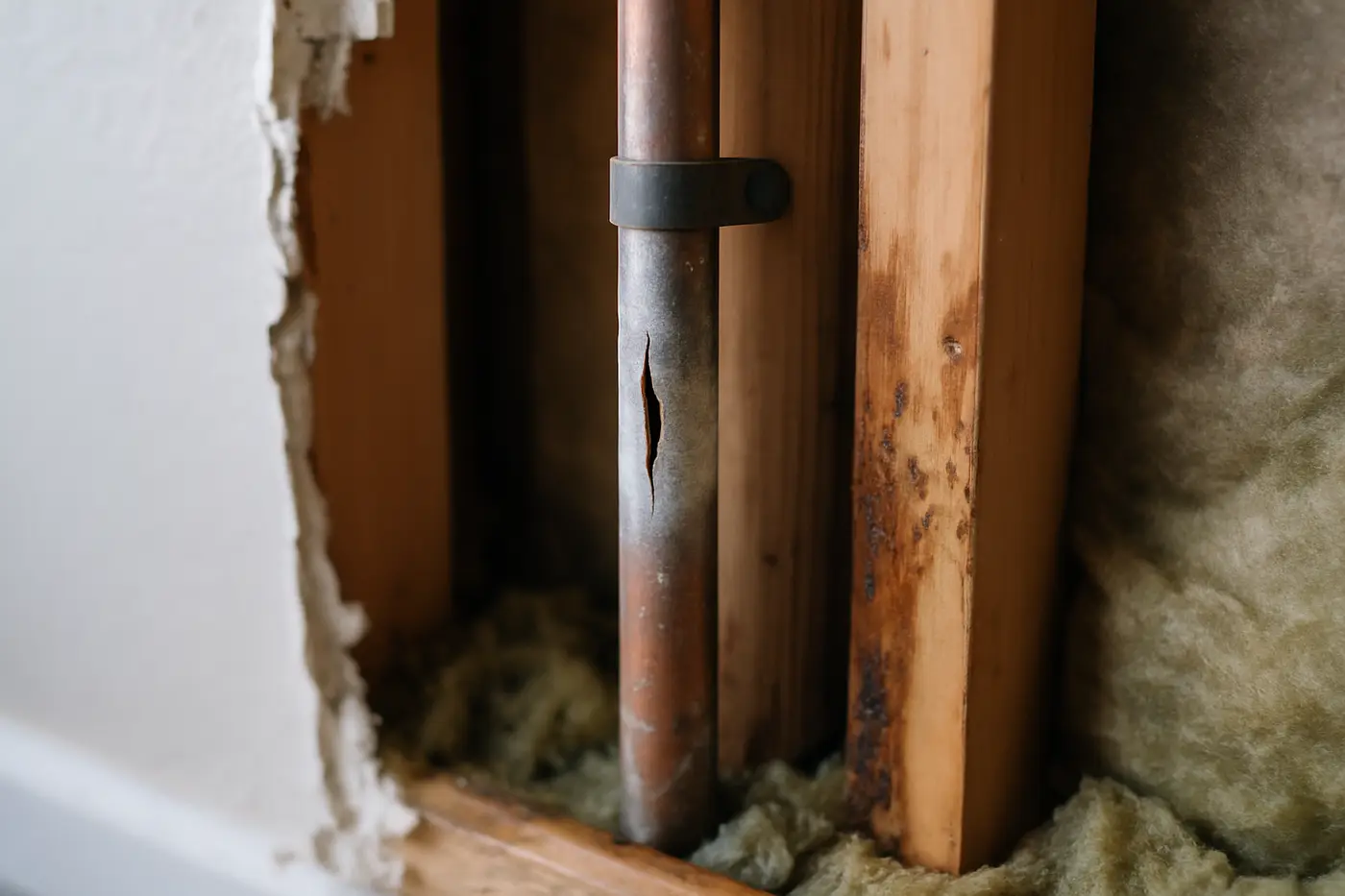
Frozen and Burst Pipe Water Damage
Locate, extract and dry after a Chicago freeze splits a supply line, riser or water heater.
Learn more - 07
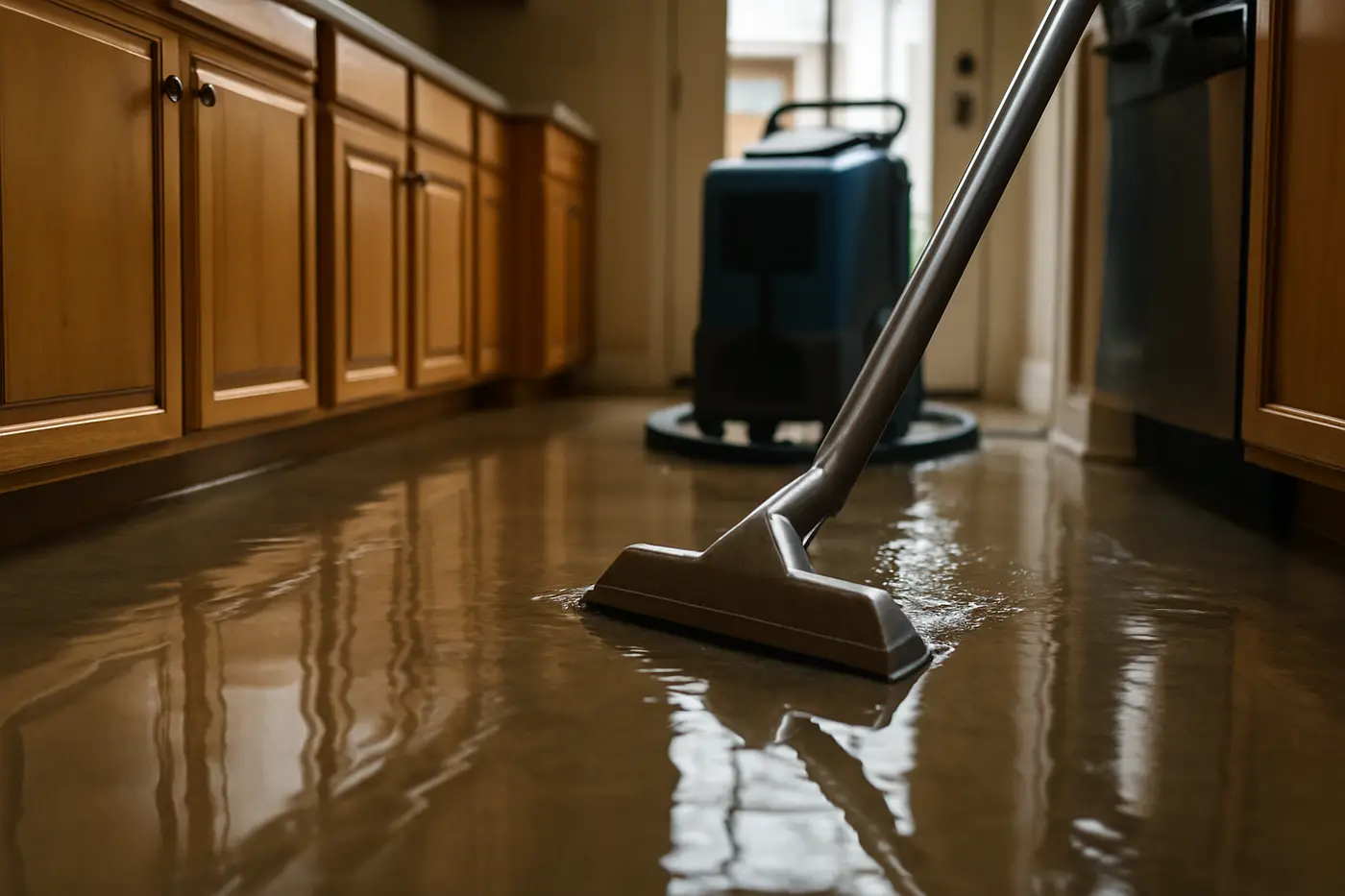
Water Extraction and Removal
Truck-mounted and portable extraction plus submersible pumps for standing water, before drying equipment goes in.
Learn more - 08
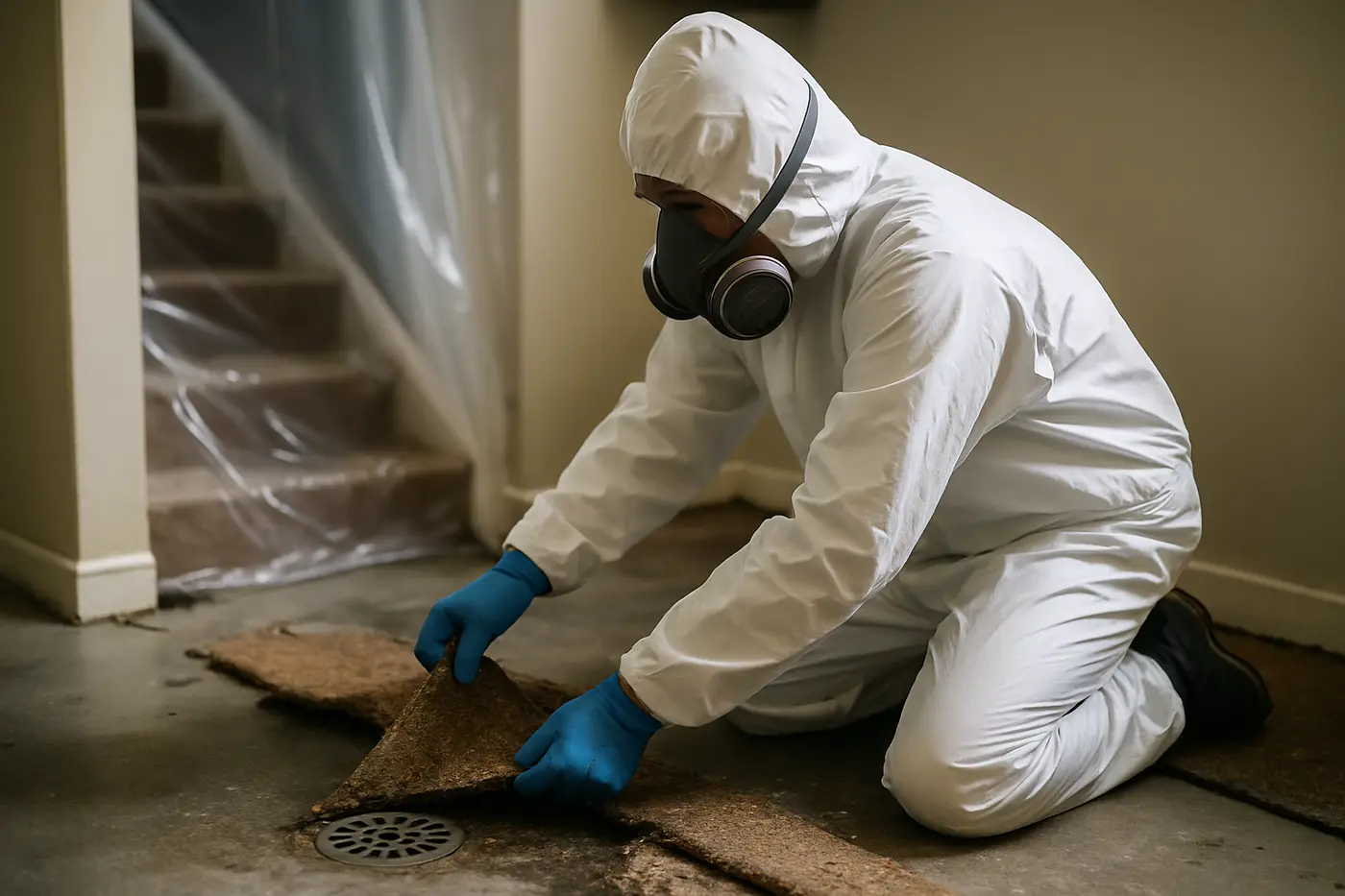
Sewage Backup Cleanup
Category 3 combined-sewer backup cleanup: removal, disinfection and clearance before anything goes back.
Learn more - 09
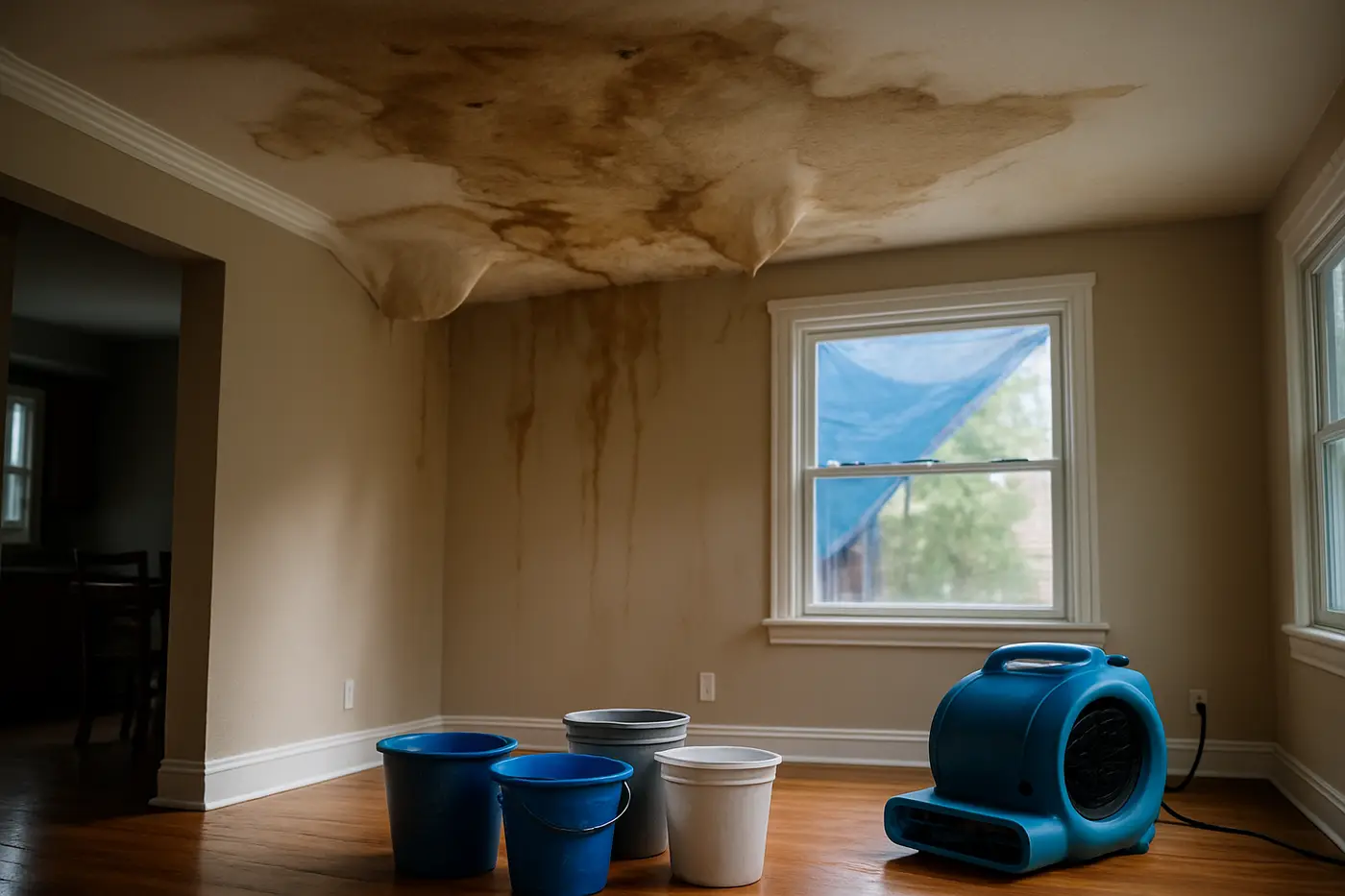
Storm Damage Restoration
Make-safe, tarping, water ingress drying and contents protection after summer storms and ice dams.
Learn more - 10
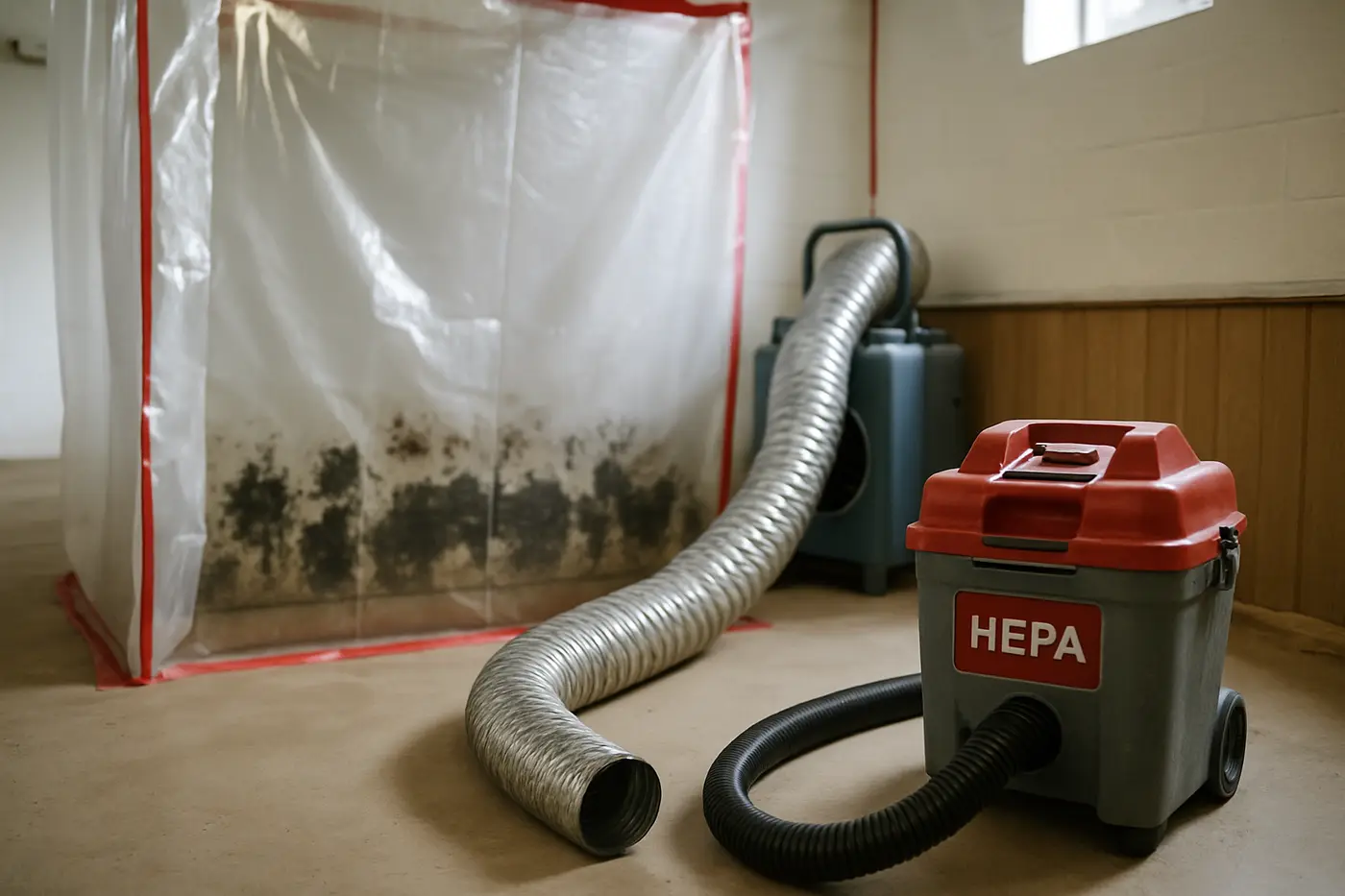
Mold Remediation
Containment, removal and moisture correction to IICRC S520 so it does not return.
Learn more
Not sure where to start?
Start with the water,
not the room.
The IICRC S500 standard sorts water by contamination. In Chicago the source usually tells you the category: a burst pipe is clean, a failed sump pump is gray, a floor drain backing up is black. The category decides what can be dried and kept, what has to come out, and which service page to read first.
- Category 1 · Clean water
Burst pipe, frozen supply line, water heater, appliance hose
Clean supply water that has not been sitting long. Most materials can be dried in place if extraction starts the same day.
Frozen and burst pipe damage - Category 2 · Gray water
Sump pump failure, dishwasher or washer overflow, clean water left for days
Carries contaminants, so drying is paired with antimicrobial treatment. Carpet is case by case; the pad usually goes.
Basement flooding cleanup - Category 3 · Black water
Combined sewer backup, floor drain overflow, river or overland flood
Grossly contaminated. Porous materials that touched the water come out, the structure is sanitized, then dried.
Sewage backup cleanup
Still not sure which one?
Send a few photos and your neighborhood. A restoration coordinator will tell you the water category, what to do in the next ten minutes and which crew is coming.
Request an assessment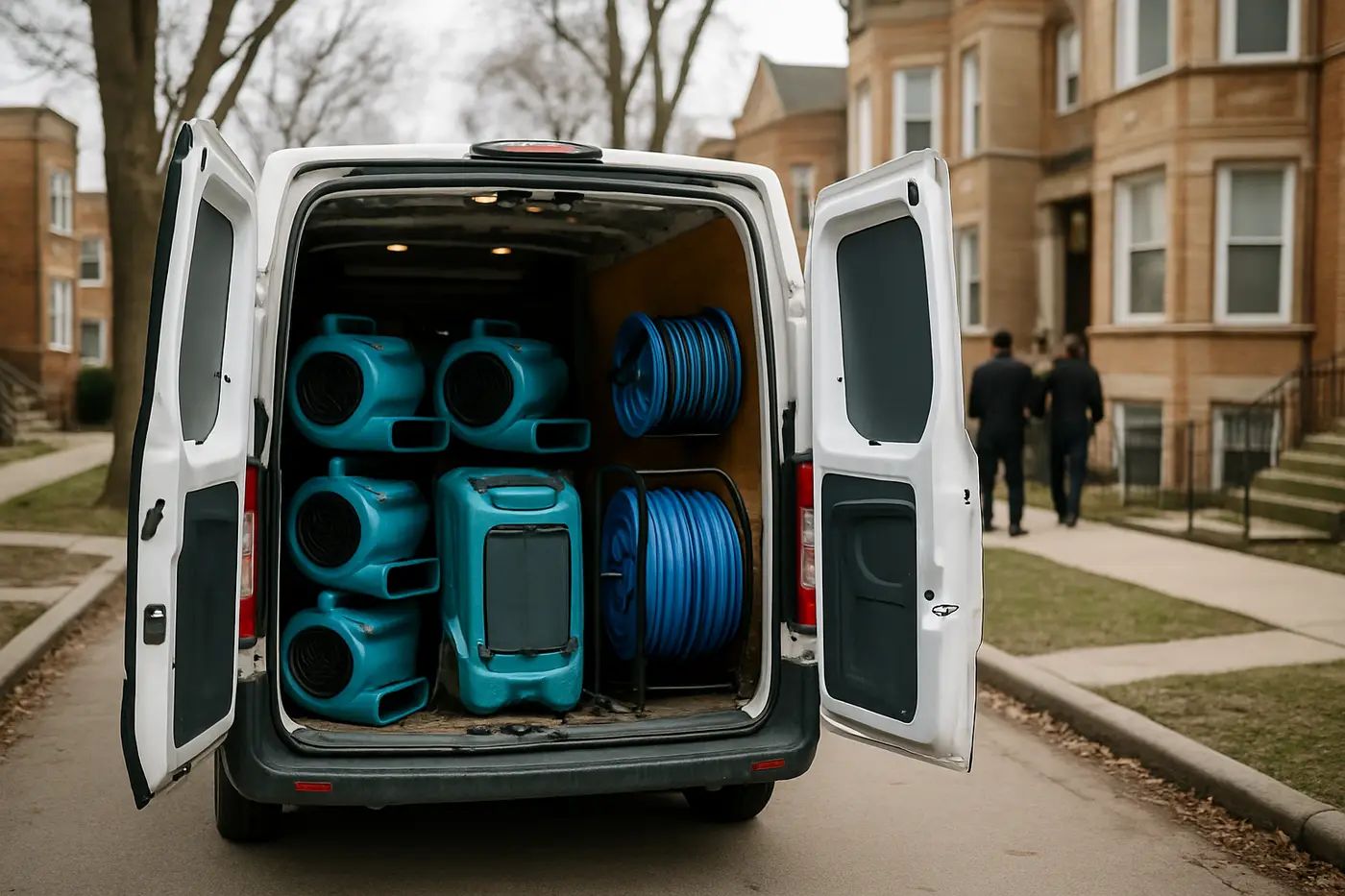
Chicago & the Suburbs
Water still coming in? Do not wait for morning.
In a damp Chicago basement, wet drywall and wood start supporting mold within 24 to 48 hours. Shut the main valve if it is safe, then tell us what happened.