In depth
Flood Damage Restoration in Chicago: how the job actually runs.
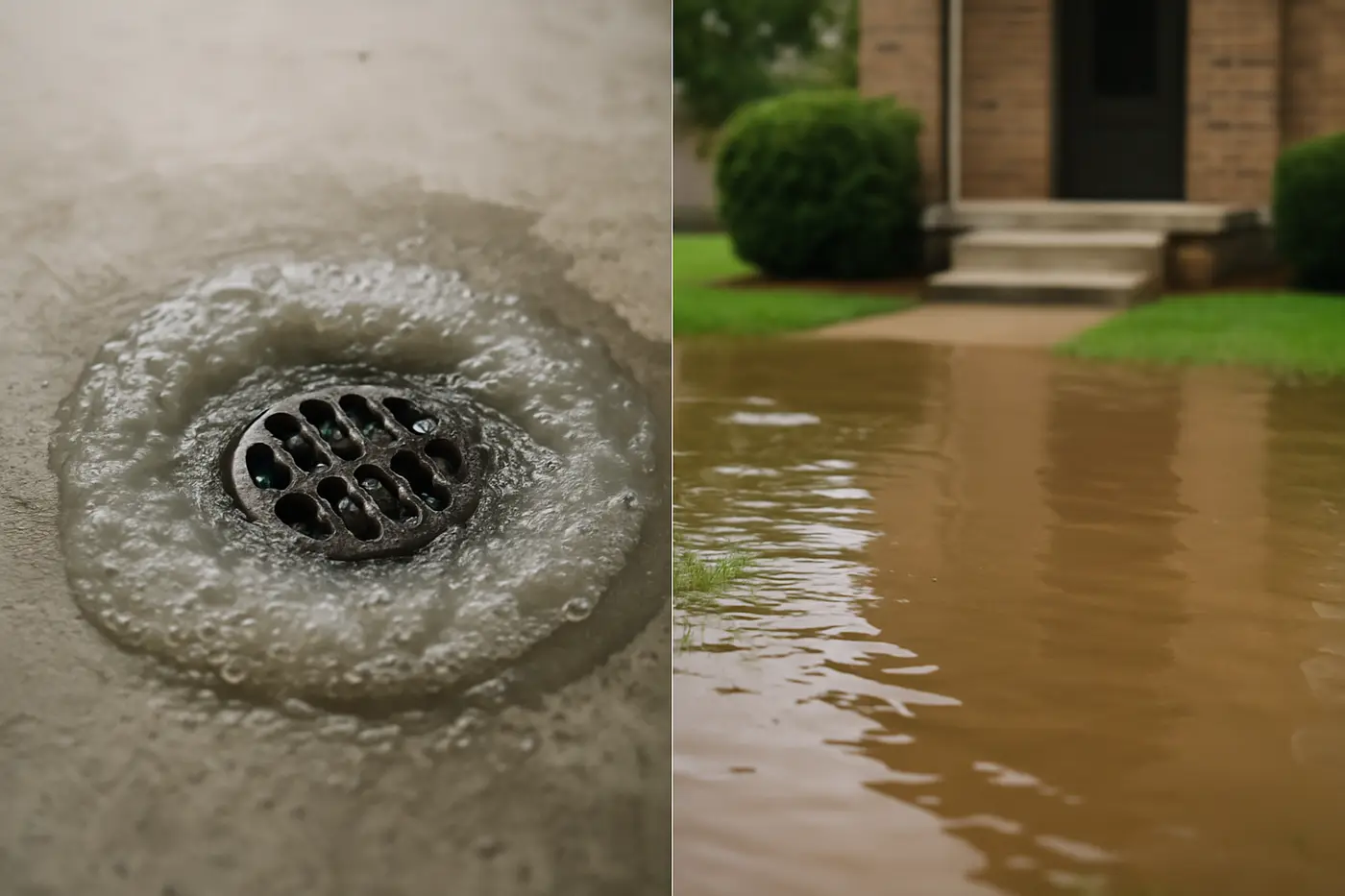
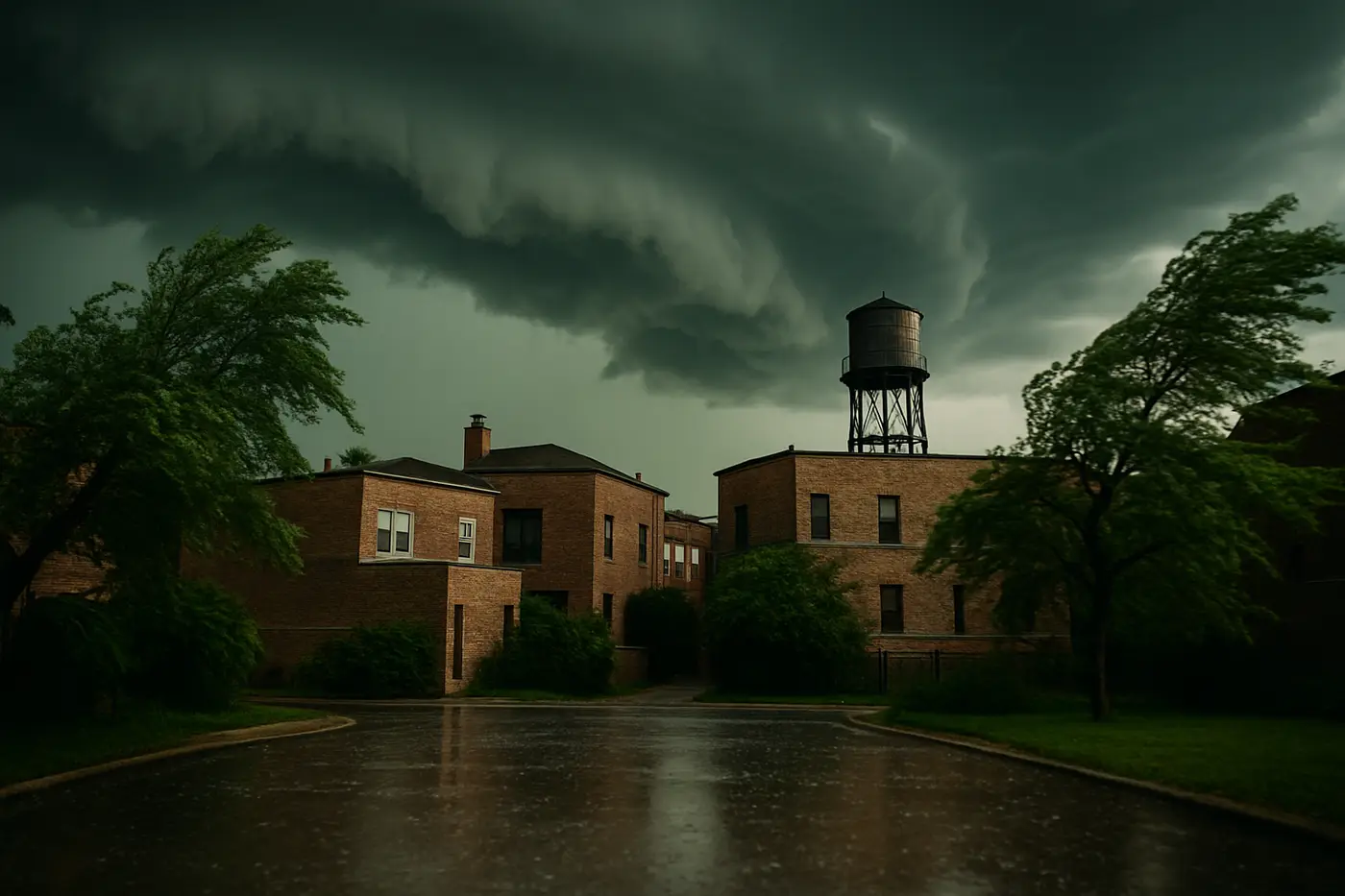
Most flood damage in Chicago does not come from a river. It comes up through the floor. The city and the older inner suburbs run stormwater and sanitary sewage in the same pipes, and when a summer downpour drops two inches in an hour the combined sewer surcharges and pushes sewage-laden water back up through basement floor drains, toilets and shower drains. That water is Category 3 black water under the IICRC S500 standard, and flood damage restoration in Chicago is mostly the discipline of dealing with it properly.
Where Chicago flood water actually comes from
Combined sewer backup is the leading cause. The Metropolitan Water Reclamation District’s Tunnel and Reservoir Plan, the Deep Tunnel, with the Thornton reservoir online in 2015 and McCook Stage 1 in 2017, has reduced backups but has not eliminated them. On July 2, 2023, up to about 9 inches of rain fell on parts of the West Side, Cicero and Berwyn, thousands of basements flooded and Cook County received a federal disaster declaration.
Sump pump failure is next. A convective storm knocks the power out, the pump stops, and the pit overflows across the basement floor. This is usually cleaner water than a sewer backup, but it still arrives through soil and drain tile, so we treat it as at least Category 2.
River and creek flooding matters along the Des Plaines River in Des Plaines, Park Ridge, Riverside and Lyons, the North Branch of the Chicago River in Albany Park, Salt Creek in Elmhurst and Villa Park, the DuPage River in Naperville and West Chicago, Addison Creek in Bellwood and Westchester, and the Little Calumet River on the far South Side. In May 2020 the Chicago River overtopped downtown and flooded high-rise basements in the Loop.
Lake Michigan reached record high water levels in 2020 and sent waves into basements and crawl spaces in Rogers Park and Edgewater.
Window wells, grading and foundation seepage finish the list. Heavy rain fills a window well, the well drain fails, and water comes over the sill and down the inside of the foundation wall.
What flood damage restoration involves
The steps are the same as any water damage restoration job, but the contamination changes how each one is done.
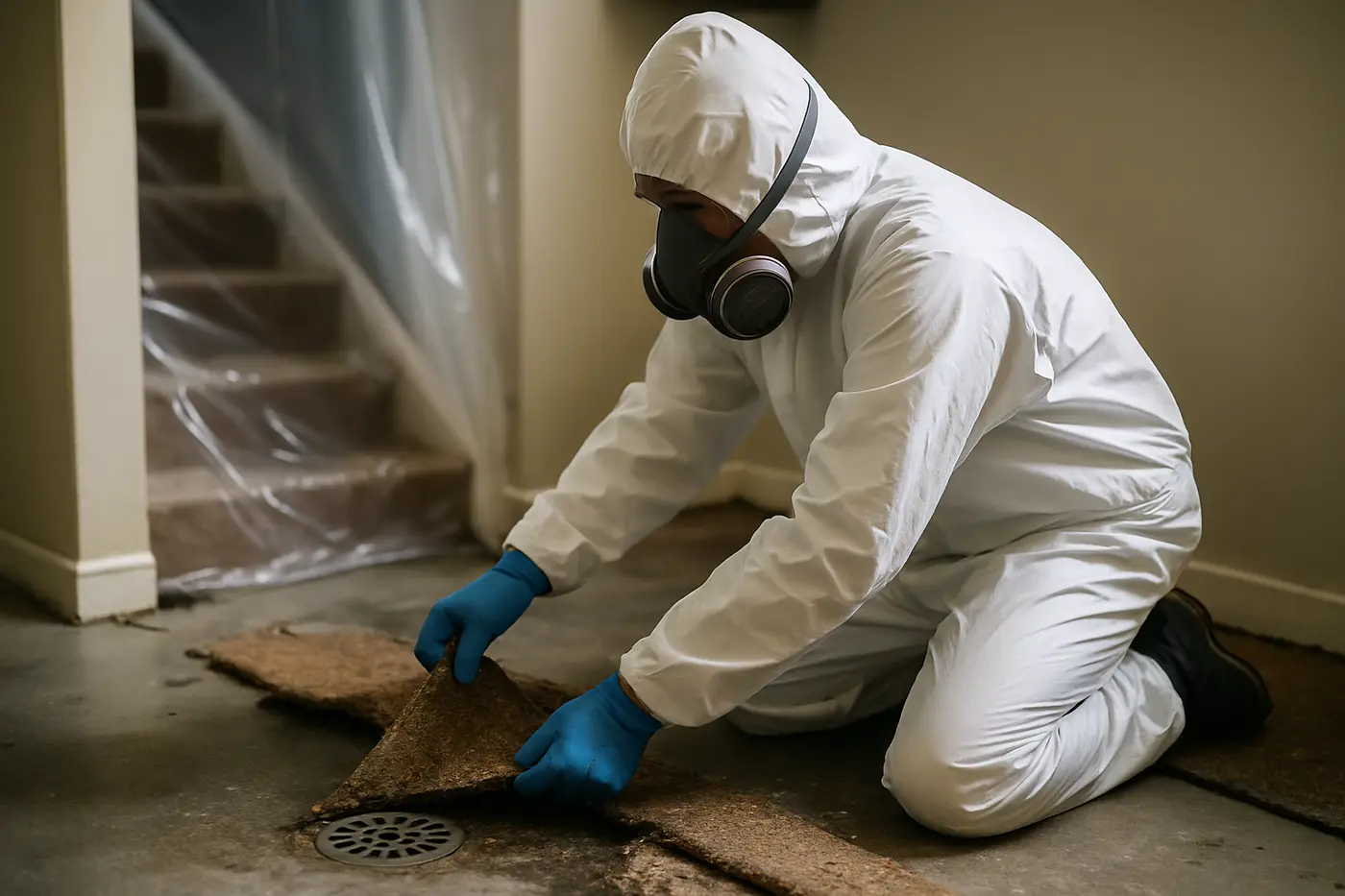
- Make-safe. We confirm the power is off to the wet area before anyone steps into standing water, and we set up containment so sewage-contaminated air and debris do not spread to the rest of the house.
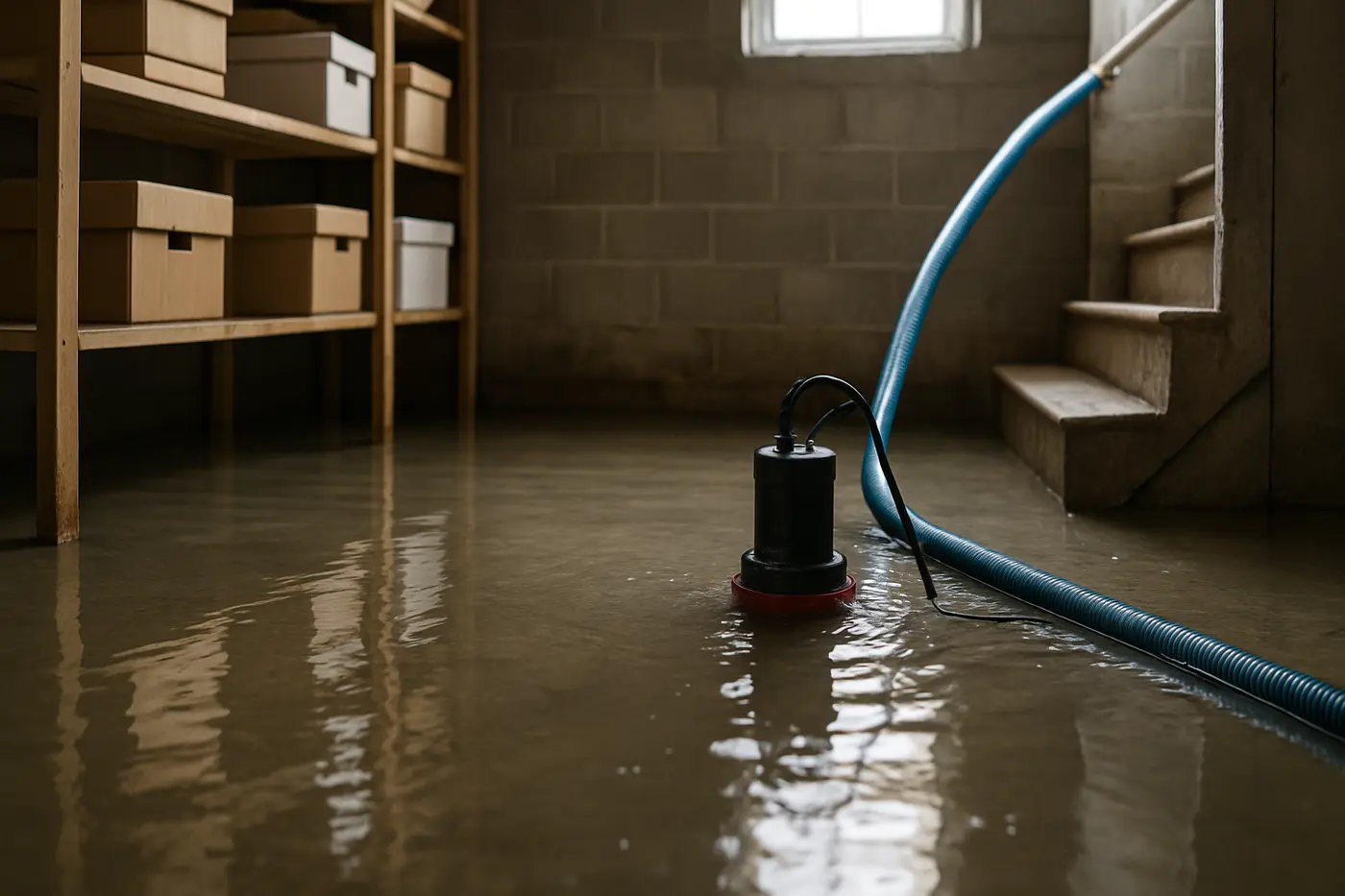
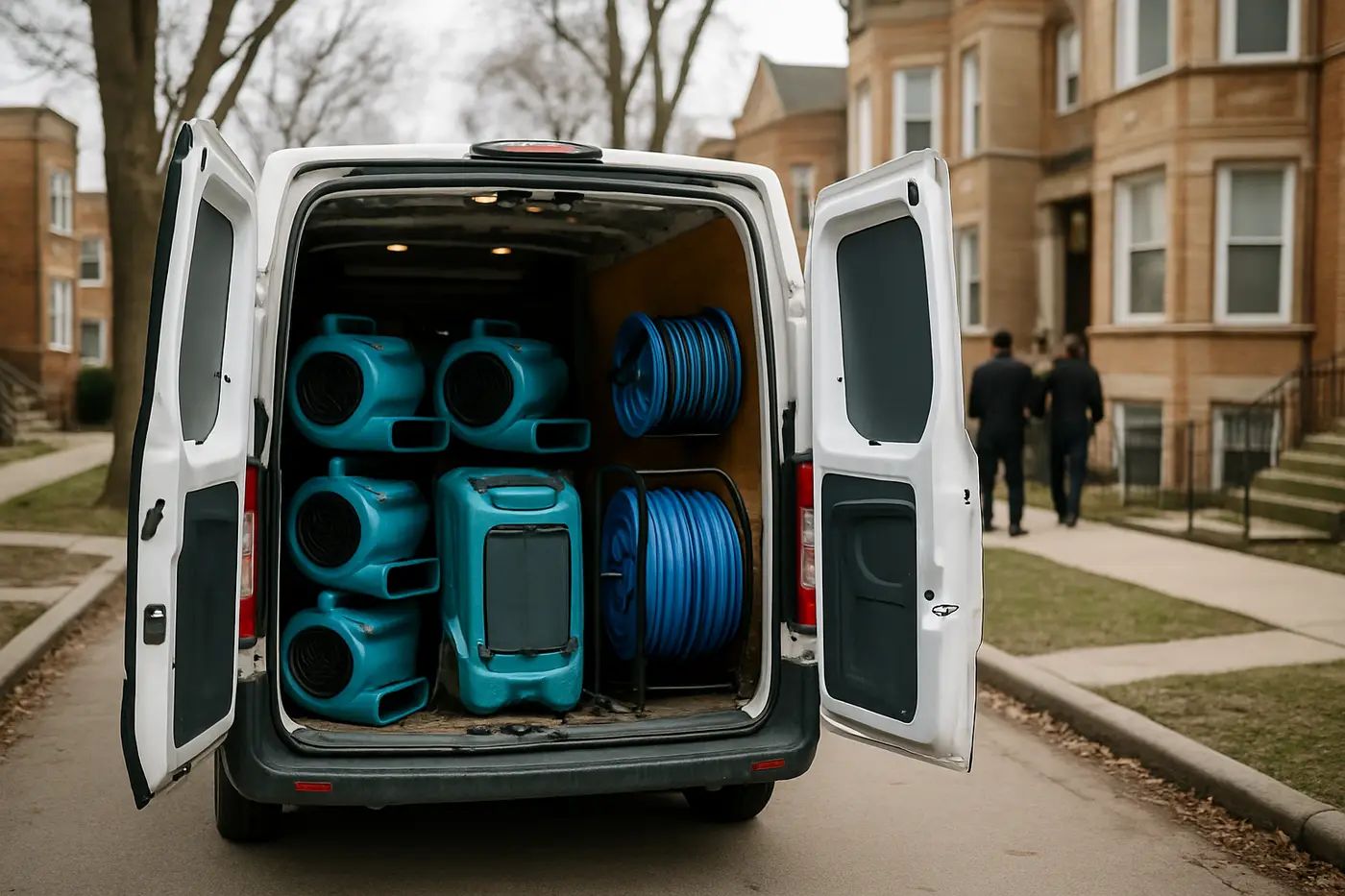
- Pump-out and extraction. Submersible pumps handle deep water; truck-mounted or portable extractors handle the last inch and the water held in carpet and pad. Everything extracted from a Category 3 loss is handled as sewage.
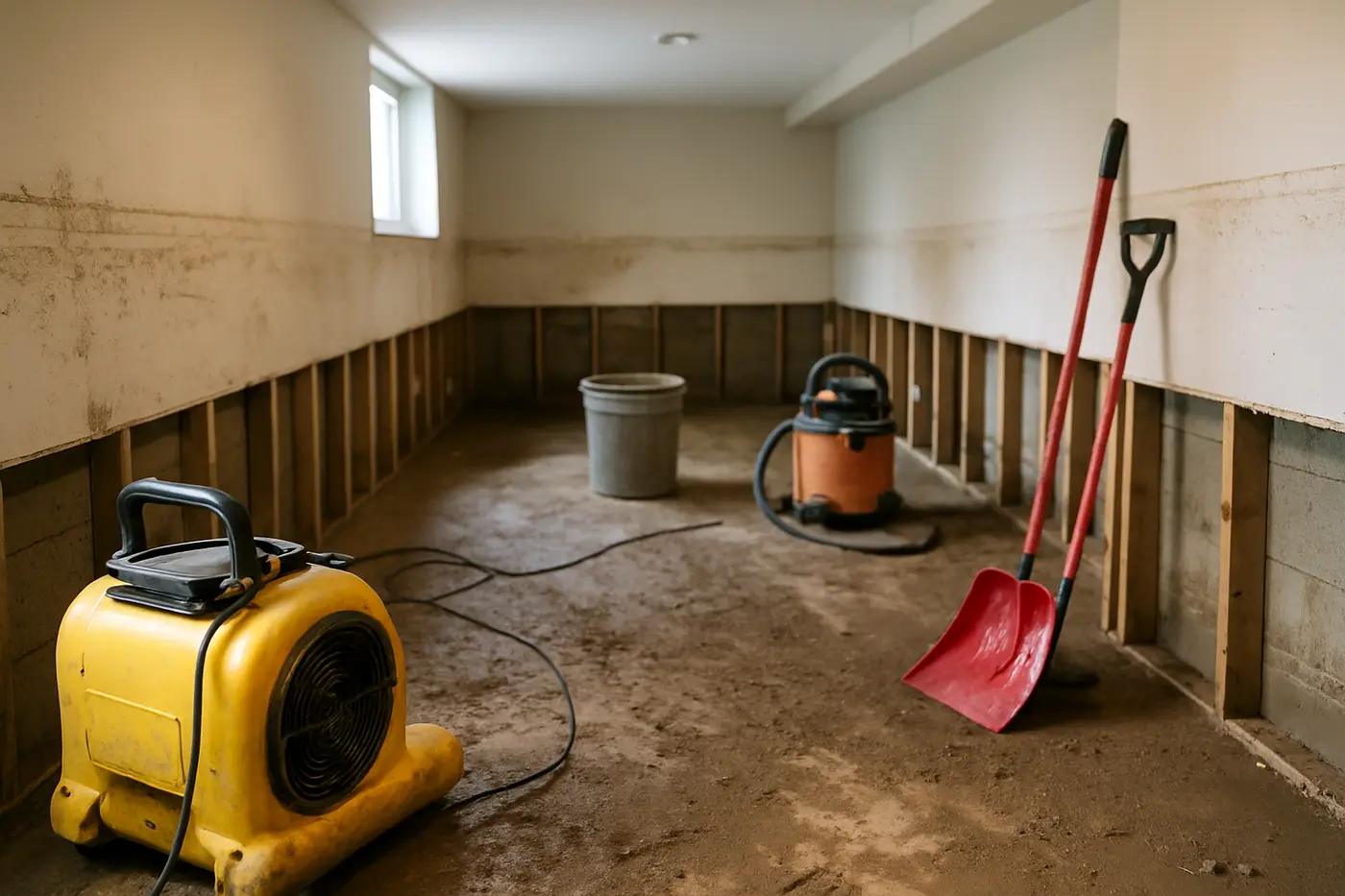
- Tear-out. Porous materials that touched black water are removed and bagged: drywall to at least 12 to 24 inches above the water line, carpet and pad, fiberglass insulation and porous contents.
- Cleaning and sanitizing. Framing, the slab, foundation walls and hard surfaces are pressure-washed or scrubbed, then treated with an antimicrobial.
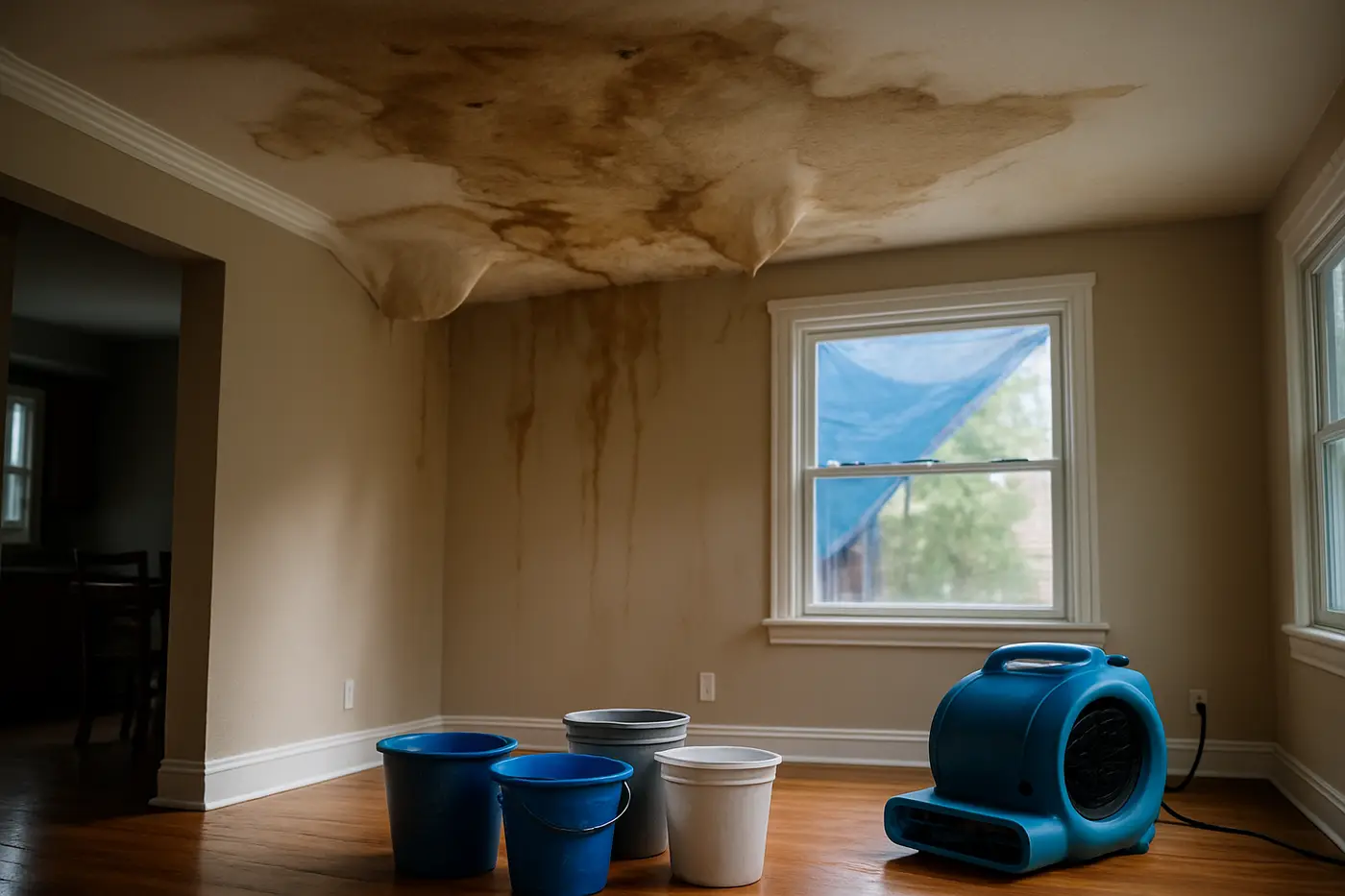
- Structural drying. Air movers and LGR dehumidifiers run until the framing and slab meet their dry standard. Basements and slab floors usually take five to ten days.
- Documentation and rebuild. Dated photos, a moisture log and an itemized scope go to you and your adjuster, and the rebuild begins once the meters say so.
For a loss that is primarily sewage rather than storm water, our sewage cleanup page covers the details. For a below-grade loss of any category, see basement flooding cleanup. Wind and roof damage that let the rain in is covered under storm damage restoration.
Why Category 3 changes everything
With clean water, the goal is to dry materials in place. With black water, the goal is to remove what cannot be sanitized and dry what is left. Drywall and carpet pad soak contaminated water into their fibers; no amount of surface cleaning makes them safe. Framing lumber, concrete and masonry can be cleaned and dried.
| Material | After clean or gray water | After sewer or river water |
|---|---|---|
| Carpet | Often dried, pad assessed | Removed with pad |
| Drywall | Dried in place if under 48 hours | Cut out above the water line |
| Framing lumber | Dried in place | Cleaned, sanitized, dried |
| Concrete slab and foundation | Dried in place | Cleaned, sanitized, dried |
| Solid wood furniture | Usually saved | Case by case after cleaning |
| Upholstered furniture and mattresses | Often saved if dried fast | Disposed of |
The first hour after a flood
- Do not enter standing water while the power is on. If the panel is dry and you can reach it without stepping in water, shut off the breakers for the basement. If not, wait.
- Keep children and pets out. Combined sewer backup is a sewage exposure: gloves, boots and an N95 or better for anyone who has to go down.
- Stop using water in the house if the backup is still active. Every flush and every load of laundry adds to it.
- Photograph the water level, the floor drain, the sump pit and every room before anything is moved.
- Report the backup to Chicago 311 or your suburb’s public works department. It builds the record that supports rebate applications later.
- Call us or send the form. The first-hour checklist in our summer storm guide goes into more detail.
Insurance: sewer backup, sump failure and flood are three different claims
This is where Illinois homeowners get caught. A standard HO-3 policy excludes surface flooding from rivers and overland flow entirely; that needs a separate NFIP or private flood policy. It also excludes sewer backup and sump pump overflow unless you added a water backup and sump discharge or overflow endorsement, which typically carries a limit of $5,000 to $25,000.
How the adjuster classifies the water decides which coverage applies, which is why we photograph the floor drain, the sump pit and the window wells before we pump. Our guide to sewer backup versus flood claims in Illinois walks through the decision. After a federal disaster declaration, as in July 2023, FEMA Individual Assistance and SBA disaster loans may also be available for uninsured losses. We bill the carrier directly where they approve.
Chicago and the suburbs: where flood memory runs deep
Austin, Cicero, Berwyn and Oak Park took the worst of July 2023, with block after block of brick bungalows and two-flats pumping out basements at the same time. Albany Park flooded repeatedly from the North Branch until the diversion tunnel opened in 2018. Des Plaines and Park Ridge flooded from the Des Plaines River in September 2008, when the remnants of Hurricane Ike dropped about 6.6 inches at O’Hare, and again in April 2013, when the river set a record crest and the region received a federal disaster declaration. Naperville and West Chicago remember July 1996, when about 17 inches fell near Aurora and the DuPage River and its West Branch came through neighborhoods.
The housing stock shapes the loss. A bungalow basement with a finished rec room and a bathroom on an ejector pump takes water from the floor drain and the ejector pit at once. A two-flat’s shared basement holds the laundry, the furnaces and often a garden unit, so one backup affects every tenant. Our neighborhood-by-neighborhood guide to which parts of Chicago flood and why goes deeper.
Stopping the next one
A backwater valve on the main sewer line, or an overhead sewer conversion, is the standard fix for combined sewer backup, and the City of Chicago and many suburbs run rebate programs for both. A battery backup sump pump covers the power outage that comes with every big storm. None of these are our trade, but we will tell you which one your basement is asking for.
What flood damage restoration costs in Chicago
Flood cleanup in Chicago typically runs $1,500 to $10,000 for a basement, and $3,000 to $10,000 where sewage backup cleanup and sanitization is the main job. A full restoration involving gray or black water through multiple rooms runs $6,500 to $18,000 or more. The emergency call-out and inspection is $250 to $500, credited against the restoration if you proceed, and drying equipment runs $50 to $125 per unit per day for five to ten days on a basement.
If water is coming up through your floor drain right now, stay out of it, get the power off if you safely can, and call us or send the form. We will tell you what to do while a crew is on the way.
Last updated September 14, 2026